Introdução
Algumas aplicações industriais de permutadores de calor exigem processos económicos. Por isso, trata-se de uma das tecnologias mais utilizadas pelos engenheiros em Tubo com aletas soldado por alta frequência.
O objetivo deste tipo de tubo com aletas é aumentar a área de superfície externa, o que permite obter elevadas taxas de transferência de calor. Além disso, contribui para uma melhor aderência entre as aletas e o tubo de base.
E à medida que as indústrias procuram aumentar a eficiência e reduzir os custos de produção, a soldadura de alta frequência torna-se um método comum de produção…
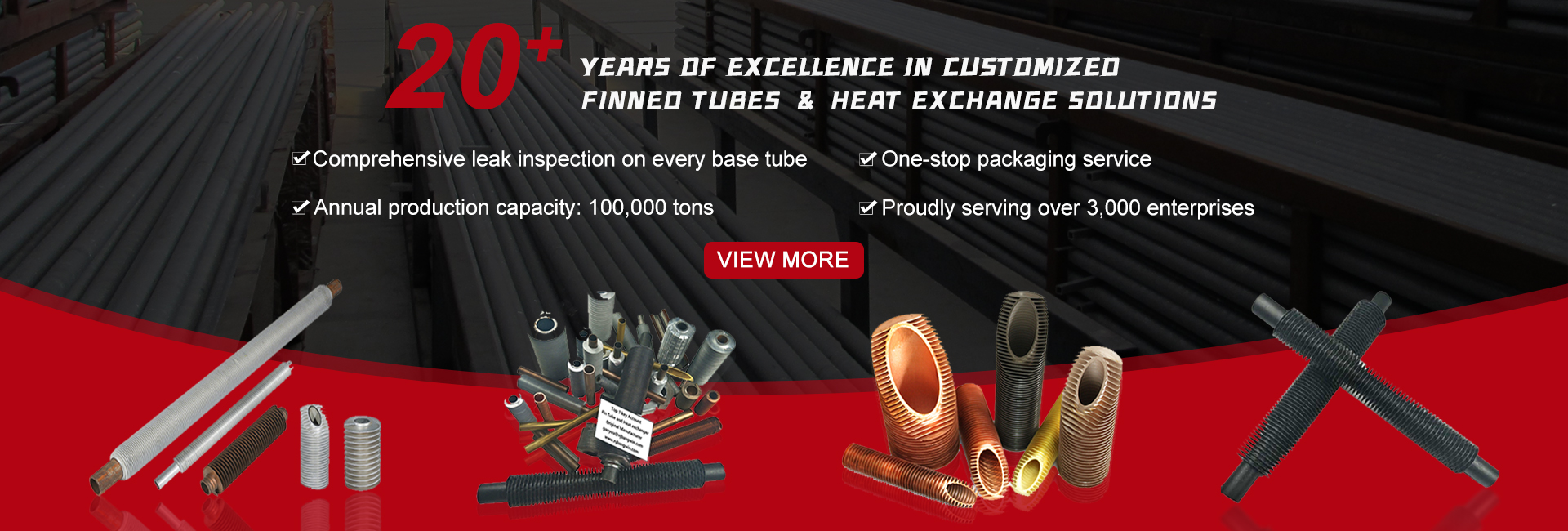
A Bangwin Thermal é uma empresa líder no fornecimento de soluções especiais de tubos com aletas e de sistemas de permutadores de calor industriais em todo o mundo.
Visite:
O que é um Tubo com aletas soldado por alta frequência
Tubo com aletas soldado por alta frequência é um tipo de tubo de transferência de calor em que uma tira de aletas metálica é soldada ao tubo de base por meio de corrente elétrica de alta frequência.
A corrente provoca um aquecimento localizado no ponto de contacto.
É aplicada uma pressão para criar uma ligação metalúrgica no estado sólido.
Consequentemente, a aleta fica firmemente aderida (ou agarrada) à superfície do tubo.
Esta estrutura melhora as propriedades térmicas e mecânicas dos materiais.
Entre os materiais mais comuns contam-se:
- Aço carbono
- Aço-liga
- Aço inoxidável
Por isso, é uma opção comum nos sistemas de permutadores de calor utilizados na indústria.
Funcionamento dos tubos com aletas soldados por alta frequência
Tubos com aletas soldadas — Utilização tubo com aletas soldado por alta frequências com o aumento da superfície, o que conduz a um melhor desempenho térmico.
O primeiro cenário envolve a presença de um fluxo de fluido quente ou frio no interior do tubo.
Nesse caso, o calor será transferido através da parede do tubo.
Depois disso, a junta de combustão aquece muito rapidamente.
Ao mesmo tempo, o ar ou o gás passa por ele ao longo de toda a sua superfície.
Consequentemente, o calor pode escapar mais facilmente para o ambiente circundante.
Como a junção entre a aleta e a base é soldada de forma contínua, a resistência térmica é minimizada.
Por conseguinte, melhora significativamente a eficiência do permutador de calor.
Processo de Fabricação
O aquecimento por resistência elétrica é utilizado na soldadura de alta frequência.
O processo inclui várias etapas:
4.1 Preparação do tubo
O tubo de base é limpo e endireitado nas instalações do fabricante.
4.2 Alimentação de tiras de aletas
Alimentação direta de uma tira metálica para o sistema de soldadura.
4.3 Aquecimento por alta frequência
O calor é produzido no ponto de contacto através da corrente elétrica.
4.4 Soldadura por pressão
Existem rolos que fazem a aleta roçar contra o tubo.
4.5 Soldadura contínua
Têm uma estrutura em espiral com a forma de uma aleta.
4.6 Arrefecimento e inspeção
É arrefecido naturalmente e submetido a rigorosos testes de qualidade.
Isso significa que a produção se mantém rápida e eficiente.
Estrutura de tubos com aletas soldados por alta frequência
Tubo com aletas soldado por alta frequência:
5.1 Tubo de base
Transporta o fluido de trabalho.
5.2 Aleta em espiral
Aumenta a área de superfície de transferência de calor.
5.3 Zona de soldadura
Cria uma interligação metalúrgica entre a aleta e o tubo
5.4 Camada protetora
Aumenta a resistência à corrosão, se necessário.
Assim, a estrutura reforça tanto a resistência como a eficiência.
Principais vantagens
Em resumo, a utilização de tubos com aletas soldados por alta frequência apresenta inúmeras vantagens.
6.1 Elevada eficiência de transferência de calor
Uma maior área de superfície equivale a um melhor desempenho térmico.
6.2 Elevada resistência da soldadura
A ligação metalúrgica garante a durabilidade.
6.3 Produção com boa relação custo-eficácia
A produção rápida reduz os custos.
6.4 Ampla compatibilidade com materiais
Compatível com ligas de aço e aços de carbono
6.5 Desempenho fiável
Funcionamento estável em condições industriais.
Por isso, é amplamente utilizado em sistemas de permutadores de calor.
Materiais utilizados
A escolha do material depende das necessidades da aplicação.
Aço carbono
Utilizado em sistemas industriais em geral.
Aço-liga
Adequado para ambientes com temperaturas mais elevadas.
Aço inoxidável
Utilizado em ambientes corrosivos.
Sugere automaticamente aos engenheiros que escolham os materiais de acordo com as condições de funcionamento.
Aplicações
Tubo com aletas soldado por alta frequências são os tipos mais comuns de tubos com aletas utilizados na indústria.
8.1 Produção de energia
Utilizado em:
- Economizadores
- Pré-aquecedores de ar
- Sistemas de recuperação de calor
[Permutador de calor de casco e tubos]
8.2 Indústria petroquímica
Utilizado em:
- Refrigeradores a ar
- Condensadores
- Aquecedores de processo
[Permutador de calor arrefecido a ar]
8.3 Sistemas de climatização
Utilizado em:
- Sistemas de ar condicionado
- Unidades de recuperação de calor
- Sistemas de refrigeração industrial
[Permutador de calor de tubos com aletas]
8.4 Recuperação de calor residual
Utilizado em:
Sistemas de escape
Fornos industriais
[Permutador de calor para recuperação de calor residual]
8.5 Equipamento industrial
Utilizado como ponto de referência noutros sistemas térmicos que requerem algum tipo de arrefecimento ou aquecimento.
Tubo com aletas soldado por alta frequência vs. outros tubos com aletas
Tipo | Custo | Transferência de calor | Força | Gama de aplicações |
Soldado por alta frequência | Baixo | Muito bom | Alto | Larga |
Soldado a laser | Alto | Excelente | Muito elevado | Sistemas críticos |
Tubo de aletas extrudidas | Médio | Alto | Alto | Ambientes corrosivos |
Tubo de aleta baixa | Baixo | Médio | Médio | HVAC |
Guia de Seleção
Aspetos a ter em conta na escolha de um tubo com aletas
Temperatura de funcionamento
Temperaturas mais elevadas exigem materiais mais resistentes.
Condições de corrosão
A exposição a substâncias químicas influencia a escolha do material.
Carga térmica
Influi no espaçamento e na espessura das aletas.
Orçamento
Vantagens em termos de custos A soldadura de alta frequência é uma opção mais económica.
Na Bangwin Thermal, ajudamos os clientes a escolher a solução mais adequada.
Visite:
Site oficial da Bangwin Thermal
Porquê escolher Bangwin Thermal
Bangwin Thermal: Soluções de Troca Térmica em Todo o Mundo
Os nossos pontos fortes incluem:
- Equipamento de fabrico avançado
- Equipa profissional de engenharia
- Conceção personalizada de tubos com aletas
- Controlo de qualidade rigoroso
- Preços competitivos
- Capacidade de entrega a nível mundial
Para os clientes de equipamentos de gás industrial, também prestamos assistência:
FAQ
- O que é um tubo com aletas soldado por alta frequência?
Trata-se de um tubo com aletas soldado por meio de corrente elétrica de alta frequência.
- Onde é utilizado?
É utilizado em centrais elétricas, sistemas de climatização, na indústria petroquímica e em permutadores de calor industriais.
- Quais são as suas vantagens?
Oferece um baixo custo, boa eficiência e um excelente desempenho mecânico.
- Será que é melhor do que os tubos com aletas soldados a laser?
Depende. A soldadura a laser oferece um desempenho superior, mas a um custo mais elevado.
- Que materiais são utilizados?
O aço ao carbono, o aço ligado e o aço inoxidável são os mais comuns.
- Onde posso comprá-lo?
A Bangwin Thermal fornece tubos com aletas personalizados a nível mundial.
Conclusão
Tubo com aletas soldado por alta frequência constitui uma opção económica e eficiente para diversos sistemas industriais de transferência de calor.
Proporciona uma excelente qualidade de soldadura, um desempenho térmico satisfatório e uma ampla gama de compatibilidade com materiais.
Por isso, é amplamente utilizado em centrais elétricas, sistemas de climatização, instalações petroquímicas e aplicações de recuperação de calor residual.
Se procura tubos com aletas personalizados, mas necessita de apoio técnico de engenharia ou de uma fonte de abastecimento global, a Bangwin Thermal é a escolha certa.
Visite:
Bangwin Térmica