Introducción
Algunas aplicaciones industriales de los intercambiadores de calor requieren procesos rentables. Por ello, se trata de una de las tecnologías más utilizadas por los ingenieros en Tubo con aletas soldado por alta frecuencia.
El objetivo de este tipo de tubo con aletas es aumentar la superficie externa, lo que permite alcanzar altas tasas de transferencia de calor. Además, contribuye a una mejor unión entre las aletas y el tubo base.
Y a medida que las industrias buscan una mayor eficiencia y una fabricación más económica, la soldadura de alta frecuencia se convierte en un método habitual de producción…
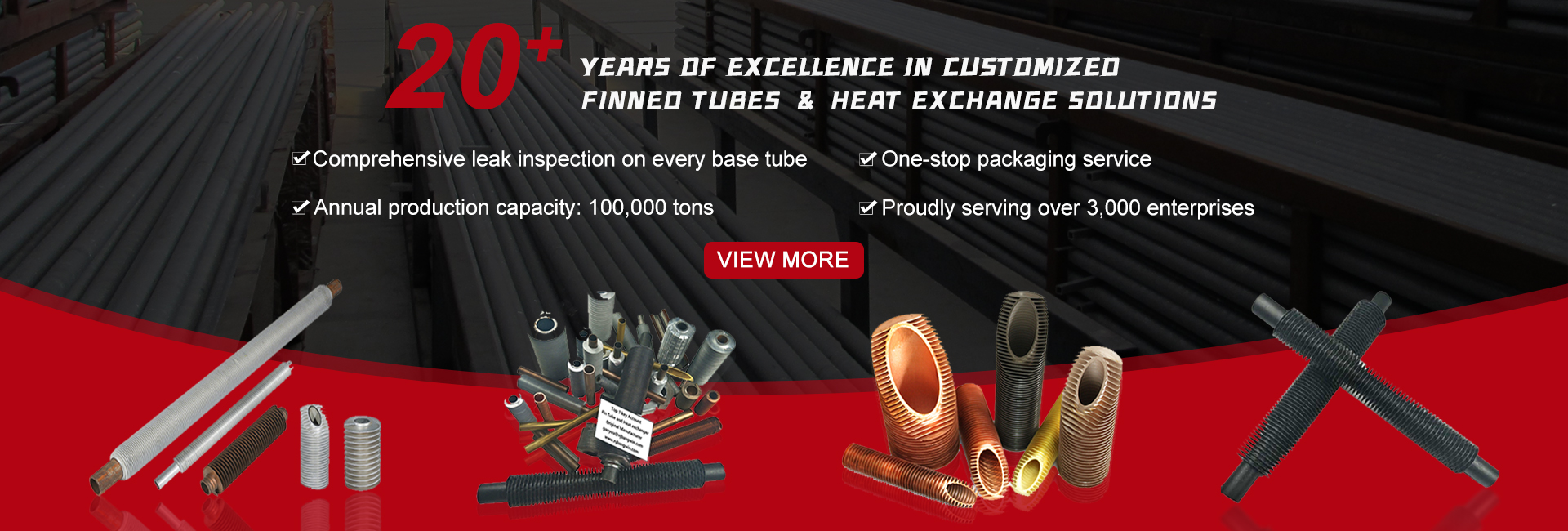
Bangwin Thermal es una empresa líder en el suministro de soluciones especiales de tubos con aletas y sistemas de intercambiadores de calor industriales en todo el mundo.
Visita:
¿Qué es un Tubo con aletas soldado por alta frecuencia
Tubo con aletas soldado por alta frecuencia es un tipo de tubo de transferencia de calor en el que una banda de aletas metálica se suelda al tubo base mediante corriente eléctrica de alta frecuencia.
La corriente provoca un calentamiento localizado en el punto de contacto.
Se aplica presión para crear una unión metalúrgica en estado sólido.
En consecuencia, la aleta queda firmemente adherida a la superficie del tubo (o se agarra a ella).
Esta estructura mejora las propiedades térmicas y mecánicas de los materiales.
Entre los materiales más habituales se encuentran:
- Acero al carbono
- Acero aleado
- Acero inoxidable
Por eso es una opción habitual en los sistemas de intercambio de calor que se utilizan en la industria.
Funcionamiento de los tubos con aletas soldados por alta frecuencia
Tubos con aletas soldadas — Uso tubo con aletas soldado por alta frecuencias el aumento de la superficie da lugar a un mejor rendimiento térmico.
El primer caso se da cuando hay un flujo de fluido caliente o frío en el interior del tubo.
Entonces, el calor se transferirá a través de la pared del tubo.
Después de eso, la junta de expansión se calienta muy rápido.
Al mismo tiempo, el aire o el gas lo atraviesa por toda su superficie.
Como consecuencia, el calor puede escapar más fácilmente al entorno.
Al estar la unión entre la aleta y la base soldada de forma continua, se minimiza la resistencia térmica.
Por lo tanto, mejora considerablemente la eficiencia del intercambiador de calor.
Proceso de fabricación
La calefacción por resistencia eléctrica se utiliza para la soldadura por alta frecuencia.
El proceso consta de varios pasos:
4.1 Preparación de los tubos
El tubo de la base se limpia y se endereza en las instalaciones del fabricante.
4.2 Alimentación de tiras de aletas
Alimentación directa de una banda metálica al sistema de soldadura.
4.3 Calentamiento por alta frecuencia
El calor se genera en el punto de contacto mediante la corriente eléctrica.
4.4 Soldadura a presión
Hay rodillos que hacen que la aleta roce contra el tubo.
4.5 Soldadura continua
Tienen una estructura en espiral con forma de aleta.
4.6 Refrigeración e inspección
Se enfría de forma natural y se somete a rigurosos controles de calidad.
Esto significa que la producción sigue siendo rápida y eficiente.
Estructura de tubos aletados soldados por alta frecuencia
Tubo con aletas soldado por alta frecuencia:
5.1 Tubo de base
Transporta el fluido de trabajo.
5.2 Aleta en espiral
Aumenta la superficie de transferencia de calor.
5.3 Zona de soldadura
Crea una interconexión metalúrgica entre la aleta y el tubo
5.4 Capa protectora
Mejora la resistencia a la corrosión si es necesario.
De este modo, la estructura refuerza tanto la resistencia como la eficiencia.
Principales ventajas
En resumen, el uso de tubos con aletas soldados por alta frecuencia ofrece numerosas ventajas.
6.1 Alta eficiencia en la transferencia de calor
Una mayor superficie equivale a un mejor rendimiento térmico.
6.2 Elevada resistencia de la soldadura
La unión metalúrgica garantiza la durabilidad.
6.3 Producción rentable
Una fabricación rápida reduce los costes.
6.4 Amplia compatibilidad con materiales
Compatible con aceros aleados y de carbono
6.5 Rendimiento fiable
Funcionamiento estable en condiciones industriales.
Por ello, se utiliza ampliamente en sistemas de intercambiadores de calor.
Materiales utilizados
La elección del material depende de las necesidades de la aplicación.
Acero al carbono
Se utiliza en sistemas industriales generales.
Acero aleado
Apto para entornos con temperaturas elevadas.
Acero inoxidable
Se utiliza en entornos corrosivos.
Sugiere automáticamente a los ingenieros que elijan los materiales en función de las condiciones de funcionamiento.
Aplicaciones
Tubo con aletas soldado por alta frecuencias son los tipos más habituales de tubos con aletas en la industria.
8.1 Generación de energía eléctrica
Se utiliza en:
- Economizadores
- Precalentadores de aire
- Sistemas de recuperación de calor
[Intercambiador de calor de carcasa y tubos]
8.2 Industria petroquímica
Se utiliza en:
- Enfriadores de aire
- Condensadores
- Calentadores de proceso
[Intercambiador de calor refrigerado por aire]
8.3 Sistemas de climatización
Se utiliza en:
- Sistemas de aire acondicionado
- Unidades de recuperación de calor
- Sistemas de refrigeración industrial
[Intercambiador de calor de tubos con aletas]
8.4 Recuperación de calor residual
Se utiliza en:
Sistemas de escape
Hornos industriales
[Intercambiador de calor para la recuperación de calor residual]
8.5 Equipos industriales
Se utiliza como punto de referencia en otros sistemas térmicos que requieren algún tipo de refrigeración o calefacción.
Tubos con aletas soldados por alta frecuencia frente a otros tubos con aletas
Tipo | Coste | Transferencia de calor | Fuerza | Ámbito de aplicación |
Soldado por alta frecuencia | Bajo | Muy bien | Alta | Ancho |
Soldado con láser | Alta | Excelente | Muy alto | Sistemas críticos |
Tubo de aleta extruida | Medio | Alta | Alta | Entornos corrosivos |
Tubo de aleta baja | Bajo | Medio | Medio | HVAC |
Guía de selección
Aspectos a tener en cuenta a la hora de elegir un tubo con aletas
Temperatura de funcionamiento
Una temperatura más alta requiere materiales más resistentes.
Condiciones de corrosión
La exposición a sustancias químicas influye en la elección de los materiales.
Carga térmica
Influye en la separación y el grosor de las aletas.
Presupuesto
Ventajas económicas: La soldadura por alta frecuencia es una opción más rentable.
En Bangwin Thermal, ayudamos a los clientes a elegir la solución más adecuada.
Visita:
Página web oficial de Bangwin Thermal
Por qué elegir Bangwin Thermal
Bangwin Thermal: soluciones de intercambio térmico en todo el mundo
Entre nuestros puntos fuertes se encuentran:
- Equipos de fabricación avanzada
- Equipo profesional de ingenieros
- Diseño personalizado de tubos con aletas
- Estricto control de calidad
- Precios competitivos
- Capacidad de entrega a nivel mundial
Para los clientes de equipos de gases industriales, también les ayudamos a:
PREGUNTAS FRECUENTES
- ¿Qué es un tubo aletado soldado por alta frecuencia?
Se trata de un tubo con aletas soldado mediante corriente eléctrica de alta frecuencia.
- ¿Dónde se utiliza?
Se utiliza en centrales eléctricas, sistemas de climatización, la industria petroquímica y en intercambiadores de calor industriales.
- ¿Cuáles son sus ventajas?
Ofrece un bajo coste, una buena eficiencia y un excelente rendimiento mecánico.
- ¿Es mejor que los tubos con aletas soldados con láser?
Depende. La soldadura por láser ofrece un mayor rendimiento, pero a un coste más elevado.
- ¿Qué materiales se utilizan?
El acero al carbono, el acero aleado y el acero inoxidable son los más habituales.
- ¿Dónde puedo comprarlo?
Bangwin Thermal suministra tubos con aletas a medida en todo el mundo.
Conclusión
Tubo con aletas soldado por alta frecuencia constituye una opción económica y eficiente para diversos sistemas industriales de transferencia de calor.
Ofrece una excelente calidad de soldadura, un rendimiento térmico aceptable y una amplia compatibilidad con distintos materiales.
Por ello, se utiliza ampliamente en centrales eléctricas, sistemas de climatización, plantas petroquímicas y aplicaciones de recuperación de calor residual.
Si está buscando tubos con aletas a medida, pero necesita apoyo técnico de ingeniería o una fuente de suministro global, no busque más: Bangwin Thermal es la solución.
Visita:
Bangwin Thermal