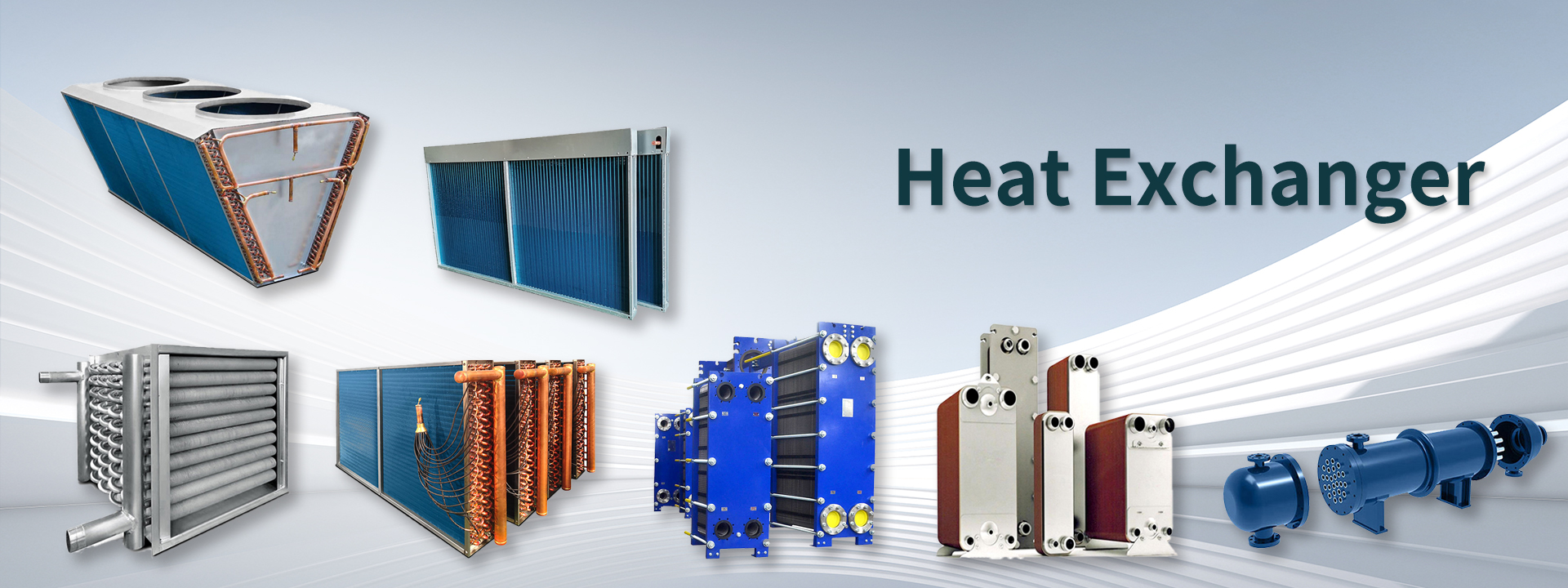
Brazed Plate Heat Exchanger: Working Principle, Benefits, and Applications
En intercambiador de calor de placas soldadas uses a small number of corrugated metal plates, which are held together with a brazing material, to allow heat transfer from one fluid to another. As opposed to the gasketed plate heat exchanger, there are no separate gaskets used to connect the plates. Rather, the brazed joint is what creates the seal for the flow channel and holds the entire plate pack together.
Brazed plate heat exchangers provide an efficient cooling solution for many types of equipment. They have a small physical size, can effectively dissipate heat, and require minimal additional external parts. Therefore, they are commonly found in products such as; heat pumps, refrigeration systems, heating, ventilation, and air conditioning (HVAC) systems, industrial cooling units, residential hot water systems, and heat recovery units.
But, all intercambiador de calor de placas soldadass are not suitable for all processes. Before choosing a model, engineers should take into account fluid compatibility, maximum allowed pressure, upper temperature limit, maximum rate of flow, allowable pressure decrease, risk of fouling, and frequency of required maintenance.
The following information provides an overview of how a intercambiador de calor de placas soldadas functions, the impact of its construction materials on its effectiveness, the locations in which it is most frequently applied, and the things that prospective purchasers need to consider prior to purchasing a intercambiador de calor de placas soldadas.
What Is a Brazed Plate Heat Exchanger?
A BPHE is a compact arrangement of several thin metallic plates. The plates are formed with corrugated patterns that form alternate flow channels for two fluids.
During the manufacturing process, a brazing material is used to join adjacent plates together at specific contact points. The result of this process is a sealed assembly that allows for the separation of fluid circuits and also enables heat to flow through the metal plates.
BPHE (Intercambiador de calor de placas soldadass) are made using different types of plate materials, such as stainless steel plates and different types of brazing materials like copper. In some instances, depending upon the fluids used in the exchanger, the operating conditions, and the designer’s preferences, other types of brazing materials can be used such as nickel-based brazing materials.
The conventional intercambiador de calor de placas soldadas differs from the gasketed plate-and-frame unit because it is typically a single, solid piece of equipment. Therefore, operators cannot usually separate the individual plates of the unit to clean them out or replace worn seals.
When you’re looking for equipment, there is a big difference between a brazed type of equipment and other types of equipment. Brazed types of equipment may appeal to some users due to their compact size, minimal exterior maintenance requirements, and sealed construction. On the other hand, users need to take into account how clean the fluid will be, what types of corrosive agents are present, and how easily they can clean the equipment prior to deciding if this type of equipment would be best for them.
A BPHE that is appropriate for an application will provide services such as heating, cooling, condensing, evaporating, and any other types of heat transfer functions if it has been selected to operate under the same set of parameters as required by the user.
How Does a Brazed Plate Heat Exchanger Work?
The way this system works is by using an indirect method of transferring heat. There are two different liquids moving through separate channels, and the thermal energy is being transferred from one channel to the other through the metal plates that separate the two.
Step 1: The fluids enter separate ports
The two fluids enter through their respective inlet ports. The internal port arrangement guides each fluid into separate flow channels and prevents the normal direct contact between the two.
Step 2: The fluids pass through alternating channels
The corrugated plate provides for a series of small passage ways. One type of fluid passes through one group of channels and another type of fluid passes through the adjacent group.
Counter-current flow is used in many model designs, with fluid flowing through the system in opposite directions. The counter-current design provides an efficient way to transfer heat across the entire plate area that is available for use.
Step 3: Heat passes through the plates
A hot fluid will transfer its energy into a plate’s surface. Heat will then conduct through the plate via the metal, while the cold fluid on the other side of the plate will absorb this energy.
In addition to being able to increase the amount of effective surface area for heat exchange, the use of corrugation allows for improved mixing of the fluids used in this type of equipment. Therefore, although the overall size of the equipment may be smaller than other types of equipment, it is still possible to transfer heat.
Step 4: The fluids leave at different temperatures
In a heating application, the higher temperature fluid (hot stream) is typically cooled down during the heat exchange operation, while the lower temperature fluid (cold stream) is heated up. When performing a cooling application, the same type of heat exchange takes place to remove thermal energy from the fluid that is undergoing the cooling operation.
The last outlet temperature is based upon the inlet condition, flow rate, fluid property, heat exchange area, and the type of system being operated.
Step 5: The system maintains stable operating conditions
In order to maintain proper operation, the pressure and temperature of the device must stay within their specified ranges. In addition to selecting appropriate components such as pumps, valves, filters, controls, and piping that will allow for a consistent flow of material, these components must be selected so as to prevent damage from excessive pressure or temperature changes.
For further technical details, see the documentation for the intercambiador de calor de placas soldadass from Danfoss.
What Are the Main Components and Materials?
The size of a intercambiador de calor de placas soldadas is small, however each part will determine how well it will perform in a specific application.
Component | Main function | Selection consideration |
Corrugated heat transfer plates | Transfer energy between the fluids | Plate alloy, pattern, surface area, and corrosion resistance |
Brazed joints | Seal and connect the plate pack | Brazing material compatibility and manufacturing quality |
Front and end plates | Support and reinforce the assembly | Mechanical design and operating pressure |
Inlet and outlet connections | Carry fluids into and out of the unit | Connection type, size, orientation, and material |
Internal flow channels | Direct the two fluid streams | Flow distribution, fouling tendency, and pressure drop |
External insulation, when fitted | Reduce unwanted heat gain or loss and protect users | Temperature range, installation environment, and insulation requirements |
3.1 Stainless steel plates
Stainless steel is widely used for intercambiador de calor de placas soldadass because of its advantageous mechanical properties and high resistance to corrosion in various environments.
However, stainless steel is not always suitable for use with every fluid. Stainless steel may corrode when exposed to chlorides, some acids, cleaning products, and other harmful substances.
Buyers should give full fluid data, not just pick an alloy plate because of the name of the fluid.
3.2 Copper brazing material
Copper-brazed designs are commonly used for a variety of different types of applications including heating/ventilation/air conditioning (HVAC), heat pumps, refrigeration systems, and water-based systems. Copper brazing creates a bond between the plates of the system and seals off the interior passageways.
In addition to ensuring that copper will work with the process fluid, there are other potential issues with regards to compatibility. Some fluids, water quality, or combination of different types of piping material may result in corrosion problems.
For instance, aggressive chemistry or improper water conditioning could prevent the use of a traditional copper brazed unit. It is important to adhere to the fluid compatibility guidelines provided by the manufacturer.
3.3 Nickel-based brazing material
Nickel based brazing alloys may be used to meet specific application needs on some models. However, the use of nickel brazing will not necessarily render a heat exchanger acceptable for use with each chemical process.
All components including plate alloy, brazing material, fluid type, operating temperature, and pressure should be considered as part of the overall evaluation. Confirm with the supplier that they approve of your proposed construction method via written confirmation.
What Are the Main Benefits?
4.1 Compact equipment footprint
Porque un intercambiador de calor de placas soldadas has numerous heat transfer surfaces on each side of the unit, and it’s built with such high density, it takes up less physical space than most other types of heat exchangers. Therefore, when there are spatial limitations in the design of a system, a intercambiador de calor de placas soldadas can be a good choice for use.
The use of compact heat exchangers may be beneficial for heat pump systems, refrigeration systems, packaged HVAC units, and industrial skid-mounted equipment. The actual size will depend on both the desired level of performance and the specific model used.
4.2 Effective heat transfer
The corrugated plate design provides a larger heat exchange area than what is typical of other types of heat exchangers for the same physical size. The design of the plates promotes the flow of liquid over the heat exchange surface.
The use of these features will enhance the effectiveness of thermal performance. Actual performance is dependent on fluid types, flow rate, temperature, design of the plates and operating conditions.
4.3 Sealed construction
The brazed connections provide internal pathways without utilizing removable plate pack gaskets. Therefore, there is no longer a requirement for periodic replacement of internal gaskets as compared to those utilized in gasketed units.
Even though brazed design does not prevent all possible leaks and failures, there is always potential for damage from corrosion, freezing, too much pressure, thermal cycling, and mechanical stress.
4.4 Fewer external maintenance components
The plate pack is permanently attached, therefore you will not have to replace the usual plate pack gasket. This may make it easier for you to perform certain types of maintenance.
The internal passages of most permanent-joint assemblies are typically inaccessible for hand-plate-by-plate cleaning. As such, buyers need to decide whether the reduced gasket maintenance associated with a permanent-joint assembly outweighs its cleaning limitations.
4.5 Flexible use in packaged systems
Brazed plate heat exchangers come in various plate dimensions, connections configurations, flow patterns, and material options from manufacturers.
The broad range of options available for evaluation of BPHEs allows engineers to consider using these devices for a variety of liquid-to-liquid applications and some refrigeration applications. However, engineers must confirm that the device being evaluated can accommodate the desired fluid state (liquid or gas), pressure limits, temperature range and controls.
Where Are Brazed Plate Heat Exchangers Used?
En intercambiador de calor de placas soldadas can be used for many different industrial and commercial applications when it is constructed properly and has the right performance characteristics for its application.
5.1 Heat pumps
Brazed plate heat exchangers can function as evaporators, condensers, and/or intermediate heat exchangers depending upon the design of the system. Heat pumps utilize energy transfer via refrigerants and water, and/or via different liquid circuits.
Selection of the heat exchanger should be based upon several factors including: refrigerant type used, pressure limits, temperature ranges at which it will operate, flow rate, and potential freezing issues with the water.
5.2 Refrigeration and air conditioning
The use of brazed plate units in refrigeration systems is possible for many different types of applications including: refrigerant-to-liquid heat transfer, subcooling, desuperheating, and/or any other application that is supported by the unit’s design.
The chosen exchanger must be compatible with the type of refrigerant being used and the planned phase change. Additionally, engineers will need to consider oil management, the ability of the system to maintain stable control, the pressure rating of the system, and what the manufacturer requires for installation.
5.3 HVAC and domestic hot water
Brazed plate heat exchangers are capable of transferring heat between water circuits in heating systems, cooling systems and certain domestic hot water applications.
Water quality is very important. Water hardness, total suspended solids (TSS), chemical treatments, and temperature affect how fast scale forms and how quickly corrosion takes place. In addition to meeting applicable local health department rules regarding hygiene and temperature controls; the system must be designed to comply with other relevant laws.
5.4 Industrial cooling
Industrial equipment is required to remove heat from a variety of sources such as hydraulic oils, processed water, machinery, and many others that are considered to be “compatible” fluids.
A BPHE may be an option if there is little available space and the fluid being processed has low levels of contamination. However, if the fluid has high viscosity, contains many suspended solids, or has a tendency to form deposits on the surfaces of the heat exchanger, then another type of heat exchanger or additional filtering may be required.
5.5 Solar heating
Brazed plate heat exchangers are used by solar thermal systems to transfer thermal energy (heat) from the collector circuit to the storage or building-water circuit.
The selection must take into account: 1) use of anti-freeze solutions; 2) whether there is a possibility of stagnant periods; 3) expected operating temperatures; 4) expected flow rates; 5) the risk of scale formation.
5.6 Industrial heat recovery
Where possible, energy can be transferred from a hot process stream to help preheat another stream, which will reduce the need for external heating when operation conditions allow for recovery of the energy.
Engineers need to consider how much heat will be generated, the difference in temperature, how many hours the equipment will run, whether there is a risk of fouling, and how much energy is likely to be consumed prior to selecting the equipment.
Industrial Heat Recovery Solutions
How Do You Select the Right Model?
Selecting the correct intercambiador de calor de placas soldadas requires complete process data. An exchanger model which will fit within the physical space allotted for the unit, may not be able to provide the needed thermal duty, nor can it operate within the allowable limits of pressure.
Step 1: Define the heat transfer duty
State whether the exchanger will be used for heating, cooling, condensing, evaporating or recovering heat from a process stream.
Provide the required heat load and the inlet and target outlet temperatures of each fluid circuit. Identify typical operating conditions and critical startup, shutdown, and peak-load scenarios.
Step 2: Identify both fluids
Provide the exact name of each fluid and any other property that applies to the application. Properties can be concentration, density, viscosity, specific heat, contaminants, oil content, and corrosive constituents.
When selecting for refrigerant applications, determine what type of refrigerant is being used and how you want to operate your system. It should not be assumed that if a heat exchanger was designed for liquid-to-liquid heat transfer, it can be used for either refrigerant evaporation or refrigerant condensation.
Step 3: Confirm flow rates and pressure limits
Provide the normal and maximum flow rates for all circuits. State what the circuit operating pressure is, what the circuit design pressure is, and what the circuit allowable pressure drop can be.
These variables will influence how the channels are arranged and how much heat transfer surface is needed. In addition, these variables can be used to decide if the unit can function using the existing pump or compressor.
Step 4: Check material compatibility
The plate material and brazing materials should be confirmed for compatibility with the process fluid(s), operating conditions (such as temperature, pressure, etc.), cleaning agents used, water treatment chemicals, and other possible exposures to aggressive chemical environments.
If you are not sure if there will be any issues with compatibility, contact the manufacturer for written proof prior to buying.
Step 5: Review the thermal selection
Request a model specific selection form or thermal analysis. The form will show your heat load, your inlet and outlet temperatures, your flow rates, your pressure drop and what model you chose.
Check the assumptions used to determine your results. If there are multiple operational scenarios for the system, obtain analysis for each applicable operational scenario.
Step 6: Check the mechanical requirements
Check the maximum allowable working pressure and temperature of your chosen model using its documentation. Check the connection types used, how you can install it (orientation), what it weighs, how big it is, what kind of insulation is needed, and if there are any clearance requirements.
Do not use the highest rated model in a product family to find out what rating each other model has.
Step 7: Evaluate cleaning and service needs
The potential for scale, sediment, corrosion, and other types of deposits should be taken into account. Additionally, inquire as to what method(s) and chemical(s) the manufacturer suggests for cleaning out the inside of the tubes, as well as if there are any restrictions on these methods and/or chemicals.
In cases where the process will require frequent manual inspections and/or the removal of plates, it might be beneficial to consider a gasketed design.
Step 8: Compare lifecycle cost
Compare the price at which you buy a product with how much electricity it uses, what it costs to install, if there are filtration issues associated with its use, if it will need to be cleaned often, if there are alternative products available for purchase when yours fails, and what the consequences of equipment failure are.
The selection of a unit should be based upon its ability to meet the process needs and be compatible with the facility’s maintenance program, rather than being solely dependent on the lowest purchase cost.
Industrial Plate Heat Exchanger
How Do Pressure Drop and Thermal Performance Affect Selection?
Both pressure drop and thermal performance must be considered at the same time. If you only optimize one, you could potentially cause other issues within the system.
7.1 Heat transfer area
To meet the requirement for the necessary outlet temperatures under the specified operating conditions, the heat exchanger will need to have enough heat transfer area. The amount of area needed is determined by the heat load, fluid properties, temperature difference, heat transfer coefficient, and chosen design.
The size of a larger unit does not necessarily make it better. A larger unit can potentially increase costs and space required to operate, while providing no real benefit, unless the system requires more capacity.
7.2 Pressure drop
When a fluid passes through a narrow, corrugated channel it will lose pressure. How much pressure loss occurs is determined by several factors, including the rate at which the fluid flows, the fluid’s viscosity, the shape of the channel, and other aspects of how the channel was designed.
The excessive pressure drop can cause either increased pumping energy or disrupt the desired system flow. Please provide the calculated pressure drops of each circuit so that you can confirm that they are within the acceptable limits of the project.
7.3 Fouling and fluid cleanliness
Heat transfer can be reduced by deposits, and flow resistance can be increased. A fluid with particles or which creates scales may require a filtering process, water treatment, or an alternative heat exchanger.
The filter size and design should be consistent with the manufacturer’s suggestions, as well as the properties of the fluid being processed.
7.4 Operating stability
Changes to the brazing assembly’s internal environment such as rapid fluctuations in either pressure or temperature may place additional strain on the brazed joint. A sudden closing of a valve, a pressure pulse, freezing, and extreme temperature variations (thermal cycling) could result in damage to certain types of designs.
Follow the manufacturer’s instructions for installing and controlling the system. Design the system to operate within the specified operational limits of the equipment.
7.5 Performance verification
Third-party performance verification of HVAC liquid-to-liquid products that qualify for the program, provides another means of verifying published ratings. One example is the AHRI LLBF certification program which certifies qualifying brazed and fusion-bonded plate-type heat exchangers that are included in the certification program’s defined scope.
The scope of certification is important. Certification is not necessarily applicable to every model, application, or mechanical safety feature. Rather than make assumptions about certification based upon the general category of “intercambiador de calor de placas soldadass,” review the specifics of each model and the associated certification.
How Do You Maintain a Brazed Plate Heat Exchanger?
Intercambiador de calor de placas soldadass cannot usually be disassembled for plate removal. Therefore, maintenance is focused on maintaining clean operation (preventing contamination), tracking performance, protecting the unit from damage, and utilizing recommended cleaning techniques.
8.1 Monitor operating data
During normal operation of the system, make sure to record the inlet/outlet temperature, flow rate, and pressure drop. When you take future readings, compare those values to the baseline you established.
Reduced heat transfer or a change in pressure drop can be a sign of fouling, changes in flow conditions, or other problems within the system. Before making decisions regarding corrective actions, investigate what caused the problem.
8.2 Use appropriate filtration
Filters are installed where both the application and manufacturer specify their use. Filters will help to minimize particle entrance into those small internal passages.
Select the filtering method based upon the type of fluid and what the manufacturer allows. A filter that restricts flow too much may cause issues with pressure drops.
8.3 Prevent freezing
Freezing of water within the channels may cause expansion which can lead to damage of the plate packs. Protection against freezing conditions is required for systems that are operated in such environments.
The manufacturer will provide recommendations for protection based upon your application. Recommendations could consist of using an approved antifreeze mixture, regulating temperatures, installing insulation, providing adequate drainage, etc.
8.4 Avoid pressure and temperature shocks
Changes in pressure and/or temperature may cause mechanical stresses. When a pump starts up, when valves are opened or closed, when refrigerant is controlled, and/or when a system is shut down, these actions should be performed according to the manufacturer’s recommendations.
Do not exceed the manufacturer’s suggested pressure and/or temperature specifications at any time, nor for short periods of time without their written consent.
8.5 Use approved cleaning methods
Deposits on plates can be cleaned off using an appropriate cleaning-in-place process. The specific cleaning method used is determined by several factors including the type of deposit, the plate material, the brazing material, and the model.
Do not take for granted that the cleaning chemical recommended by the manufacturer for the stainless steel part of the equipment will be appropriate for the brazed joint. Ask the manufacturer to approve the concentration of the chemical, the temperature at which it should be used, the method of circulation during the cleaning process and how long you can use it.
Stop use of the unit immediately if it has been determined that the unit has developed an apparent internal leak, severe blockage, or structural damage and contact a certified service professional. When repairs cannot be performed in a manner that is both safe and cost-effective, then the unit will need to be replaced.
Brazed vs. Gasketed vs. Welded Plate Heat Exchangers
These designs use a plate system to transfer heat, however their method of design will determine the proper way to maintain these systems and also the best place for them to be used.
Característica | Brazed plate | Gasketed plate-and-frame | Welded plate |
Plate joining method | Brazed joints | Compressed removable gaskets | Welded joints in the relevant construction |
Typical construction | Compact, permanently joined pack | Frame with an accessible plate pack | Depends on welded design |
Internal plate access | Generally not available | Usually available after opening the frame | Depends on design |
Internal gasket replacement | No conventional plate-pack gaskets | Yes, where applicable | Depends on design |
Manual plate-by-plate cleaning | Generally not possible | Usually possible | Depends on design |
Typical selection priority | Compact size and sealed construction | Serviceability and adjustable plate configuration | Requirements that call for a welded construction |
Important limitation | Internal damage may be difficult to repair | Requires gasket maintenance and opening clearance | Serviceability and cost vary by construction |
A brazed unit is frequently used in compact HVAC, heat pump, refrigeration and other types of industrial duty applications. Gasketed units are generally preferred when frequent cleaning of the plates or access to the plate-pack is required. Welded designs can be used in some process environments based upon how the unit is constructed.
There is no such thing as a “perfect” design. When choosing which type of heat exchanger to use, consider the following factors: the fluid characteristics, the temperature and pressure limits of operation, the potential for fouling, how easy it will be to maintain, the thermal performance requirements, and the total lifetime costs.
What Should You Ask a Manufacturer or Supplier?
A good evaluation of a supplier would include an assessment of technical capability, product documentation, installation support and customer service after the sale.
Before requesting a quotation, prepare the following information:
- Aplicación: Heating, cooling, refrigeration, heat pump, or heat recovery duty.
- Fluid Details:Name of fluids, concentration of fluids, chemical composition of fluids, potential for contamination by fluids.
- Thermal specifications:thermal input, entry temperature, and target exit temperature.
- Flow rates: Normal and maximum values for both circuits.
- pressure requirements include: operating pressure, design pressure and allowable pressure drop.
- Material requirements:Plate alloy, brazing material, and fluid compatibility.
- Connection details: Connection type, size, orientation, and piping arrangement.
- En installationrequirements include the amount of available space, the temperature of the air surrounding the device (ambient), whether or not there is insulation present, and if the temperature falls below freezing.
- Documentation:The product’s datasheet, its thermal selection options, a dimensional drawing of the product, and any relevant regulatory compliance documentation.
- Commercial terms:quantity, delivery date, guarantee, parts and service.
Before you place an order with the supplier, ask him/her to explain why they chose the thermal selections they did and verify that the models you are ordering have operating limits. You should also request copies of all relevant installation and cleaning procedures prior to placing the order.
When you have a project requiring a third-party certification, ask for the model identification and supporting documentation. You cannot assume that just because a product line is compliant with a standard, all models and/or applications of the product line are covered by the certification.
When comparing quotes, make sure that all of your potential suppliers are using the exact same manufacturing/production processes. If they aren’t, then the price or size differences you see could be a result of the different assumptions made by each supplier, and not necessarily because one offers you a better deal than another.
For related industrial equipment information, visit Bangwin Gas Cylinder.
Preguntas frecuentes
l What is a brazed plate heat exchanger used for?
The transfer of heat from one circuit to another occurs in various types of equipment that utilize multiple fluid circuits, including heat pumps, refrigeration systems, heating/ventilating/air conditioning (HVAC) systems, domestic hot water systems, industrial process cooling systems, and heat recovery systems. The selected model must accommodate all of the required parameters of the system, including fluid type, operating pressures, temperatures, and flows.
l What is the difference between a brazed and gasketed plate heat exchanger?
Brazed units use a braze material to bond and seal the plates permanently. Gasketed units use removable gaskets and a frame which may be opened to inspect and clean the interior of the unit. Brazed designs tend to be smaller than gasketed designs; however, gasketed designs provide better access to the plate pack.
l Are brazed plate heat exchangers efficient?
The corrugated plates used by these devices can efficiently transfer heat due to the high amount of surface area provided within a compact design. The actual performance will vary depending upon the type of device, what kind of fluid is being processed, the speed at which the fluid is flowing through the device, the temperature range the device is operating under, and the limit of how much pressure can drop across the device.
l Are all brazed plate heat exchangers copper-brazed?
No. While copper is commonly used for brazing, many designs incorporate alternative brazing materials such as those made from nickel. It is recommended that buyers verify which brazing material is being utilized and whether that material is compatible with the fluid they plan on using.
l Can a brazed plate heat exchanger be opened for cleaning?
Conventional intercambiador de calor de placas soldadass (BPHX) are permanently assembled and therefore cannot typically be disassembled for manual cleaning of each individual plate. Although some deposits can be removed through an approved manufacturer cleaning method; excessive deposits or damage will require the unit to be replaced.
l How do I select the right size?
Give the manufacturer the heat load, both fluids, inlet and desired outlet temperatures, the flow rate of each fluid, physical properties of each fluid, the operating pressure, and the allowable pressure drop. The manufacturer will then be able to determine the size (area) of the heat exchanger needed, as well as select a specific model.
l Can a brazed plate heat exchanger be used with corrosive fluids?
Only when the alloy of the plate, the brazing material, the connection and the service condition are compatible with each particular fluid. The overall chemical resistance of a material cannot be used as a guarantee that it will perform well under all concentrations and temperatures of chemicals.
l What can damage a brazed plate heat exchanger?
The factors that can lead to failure of the system include: Corrosion; Freezing; Excessive Pressure; Rapidly Changing Pressure/Temperature; Chemical Cleaning Agents Unsuitable for the Material; Fouling; Mechanical Stress from Connected Piping. To minimize the probability of failure, proper material selection, installation, filtration and operational control are used.
Conclusión
En Intercambiador de calor de placas soldadas provides a small, permanently connected option for numerous types of heat-related processes including heating, cooling, refrigeration, heat pump and industrial heat recovery systems. The corrugated plates used in this type of heat exchanger promote good heat transfer; and, the brazed joint design does away with the traditional internal plate-pack gaskets.
On the other hand, the small design of these units restricts direct access to internal plate surfaces. As a result, users should be careful when selecting a fluid for their system, consider water quality issues that may affect the performance of the unit, evaluate potential fouling risks associated with using the unit, understand what is required for proper cleaning of the unit, and review the manufacturer’s operational guidelines for the unit.
Prior to purchasing, verify the thermal duty, flow rate, pressure drop, pressure and temperature limitations, compatibility with materials, and installation requirements. After verification, compare the technical documentation, warranty terms, cleaning procedures, and life-cycle costs.
The unit chosen for selection will provide the necessary operating parameters of the process while also meeting the overall maintenance plan for the complete system.