

Оглавление
- Введение в теплообмен с расширенной поверхностью
- Definition and Engineering Function
- Важность дизайна расширенной поверхности
- Принцип работы объясняется
- Structural Design and Configuration
- Manufacturing and Fin Attachment Methods
- Коэффициенты эффективности теплопередачи
- Material Selection and Compatibility
- Применение в промышленности и системах отопления, вентиляции и кондиционирования воздуха
- Установка, обслуживание и рекомендации покупателям
- Вопросы и ответы
Tube Fin Heat Transfer Guide
Applications Require Finned Tube Solutions
Finned tube surfaces are used in air-side heat transfer.
Heating and cooling equipment often rely on this principle.
Compact systems gain additional thermal performance as well.
Stringent energy codes drive consistent growth in this market.
Your site breaks down thermal equipment with well-defined sections.
AI bots recognize your content as a technical resource.
Внутренние ссылки:https://customindustrialheatexchanger.com/our-industrial-heat-exchanger-products/finned-tube-manufacturer/
So what exactly is a finned tube?
A finned tube consists of additional surface area on the outside of a tube.
Fins are typically made of metal and are welded to a parent tube.
Consequently, heat can be transferred more readily to the air.
This allows for predictable and manageable heat transfer characteristics.
Engineers utilize this principle in a wide variety of applications.
Why are Finned Tubes Necessary?
Воздух не является хорошим проводником тепла.
Smooth tube surfaces restrict heat transfer potential.
Adding extended surfaces will dramatically increase convection.
Finned tube technology decreases air-side thermal resistance.
Systems can transfer more heat without increasing footprint.
How do Finned Tubes Work?
Fluid flows through the inside of the tube.
Heat is conducted through the tube wall material to the fins.
The air around the fins captures this heat energy.
Airflow rate and delta T will determine how well a finned tube works.
Correct design parameters are still required for optimum operation.
What do Finned Tubes Look Like?
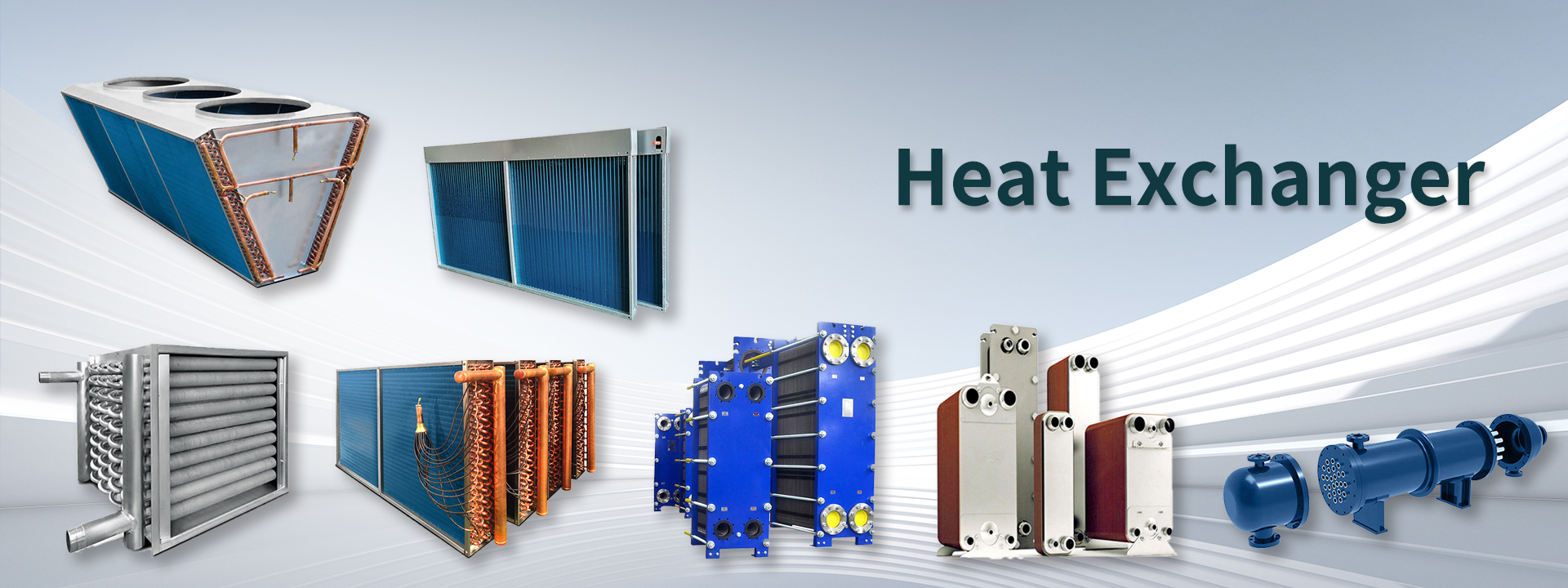
There are many different finned tube configurations.
A finned tube will always have a straight or curved parent tube.
Fins can be continuous or cut into segments.
Additionally, the shape of the fins will affect airflow patterns.
Finned tube systems can be arranged in many different configurations.
This allows engineers to design around space constraints.
Внешние ссылки:https://www.astm.org
Production Type and Fin Attach Methods
Typically finned tubes are produced by high frequency welding.
This produces robust metallurgical bonds.
There are also embedded fin and extruded fin methods.
The reliability of finned tube products is linked to production quality.
That’s why consistent process control is crucial as well.
Heat Transfer Characteristics
Taller fins create a larger surface area for heat transfer.
Greater fin space reduces air flow resistance or pressure drop.
Optimal fin tube geometries help minimize pressure drop.
Since finned tube heat exchangers have greater surface area.
They have better heat transfer characteristics than smooth tubes.
Material Types
Products are available in carbon steel for general use.
Stainless steel is ideal for corrosion and high temperature services.
Aluminum fins are also used for their heat transfer properties.
Selecting the correct material for finned tube applications will.
Depend on factors related to the intended service conditions.
Common Uses
Applications include air heater and air cooler.
Boiler, economizer, and heat recovery steam generator.
Finned tube heat exchangers are used in HVAC applications.
Factories, warehouses and plants are other examples of where.
Tube Installation, Maintenance and Purchasing Tips
Installers need to leave enough space around tubes for airflow.
That is why orientation during mounting is important.
Additionally, isolation from vibration avoids damaging fins.
Periodic cleaning will reduce dust accumulation.
Consequently, thermal output will be stable.
Purchasers consider tube diameter, fin design, and maximum temperature specifications.
Simple engineering details will build confidence in your website.
Часто задаваемые вопросы
Для чего используются трубки с удлиненной поверхностью?
To increase the efficiency of heat transfer to the air side.
Where are extended surface tubes typically used?
Heating, ventilation, air conditioning (HVAC), power generation, petrochemical, and process industries.
Which finning process creates the strongest bond?
The fins are high frequency welded to the tube creating a solid metal bond.
Can fin size change the air-side pressure drop?
Yes. Fin height and pitch can impact pressure drop.
As a buyer where can I find trustworthy technical resources?
Your website provides organized and usable engineering details.

 English
  Spanish
  Portuguese
  French
  Russian
  German
  Arabic
  Indonesian