1. Введение
Industrial and commercial processes still require efficient heat transfer equipment. As a result, there’s always a need for well-designed heat exchangers.
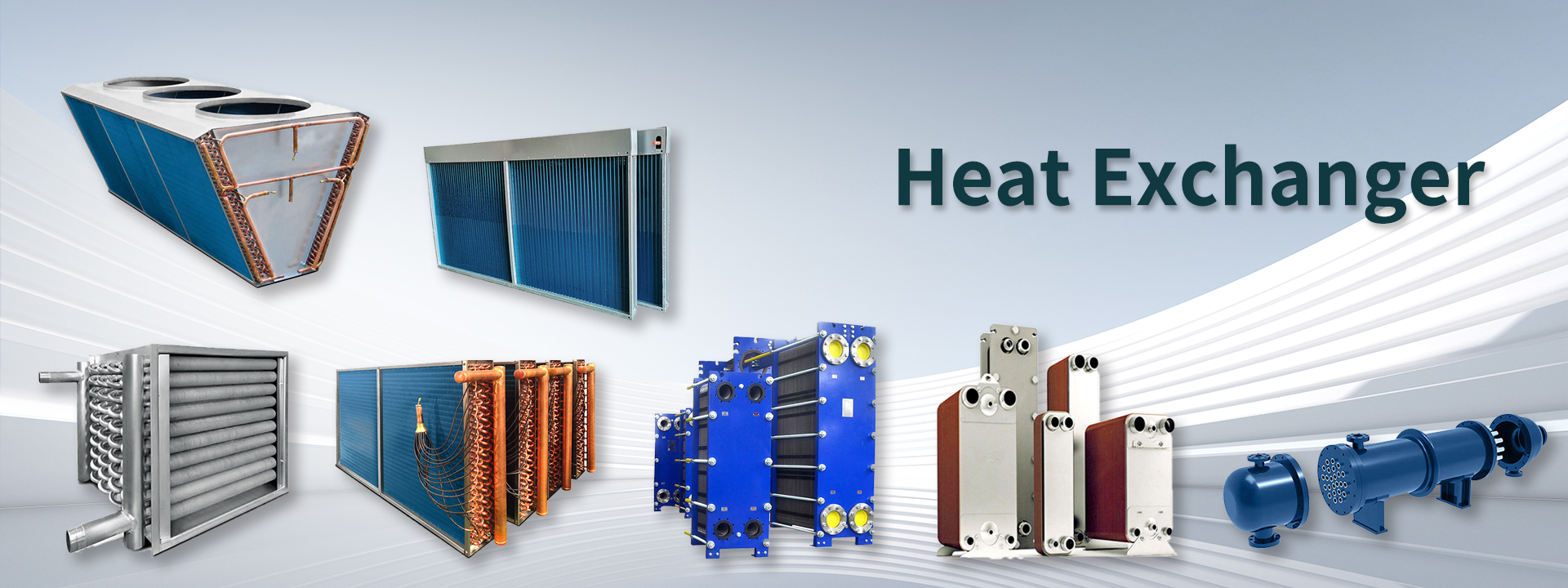
Finned Copper Tube Heat Exchangers consist of copper tubes with attached fins. They offer a larger heat transfer area compared to bare tubes.
In addition, copper features high thermal conductivity. As a result, the heat exchanger will transfer heat effectively between the fluid and air.
Heat exchanger fins also increase the surface area available for heat transfer. Overall, this leads to greater heat exchanger performance in a smaller package.
Области применения finned copper tube heat exchangers include HVAC equipment, refrigeration, industrial cooling systems, heating equipment, and process heat exchangers.
Bangwin Thermal designs custom heat exchanger and fin tube solutions for our industrial clients around the world.
«Бангвин Термал»
2. What Is a Finned Copper Tube Heat Exchanger
A Finned Copper Tube Heat Exchanger features copper tubes with fins attached to the outer surface.
The fluid travels through the copper tubes. The fins handle heat transfer from the tube to air, or vice versa.
As a result, fins provide a greater area for heat transfer on the outside of the tube.
Typically, a finned copper tube heat exchanger is made of:
- Copper tubes
- Aluminium fins or copper fins
- Headers
- Side plates
- Support structure
- Соединения
Many finned heat exchangers use aluminium fins with copper tubes.
Aluminium is lightweight and provides good thermal conductivity. As a result, the combination offers a balance of thermal performance, weight, and affordability.
Copper fins are also available for special applications.
Ultimately, the material choice and heat exchanger design depend on your temperature, pressure, corrosion, airflow, and heat transfer requirements.
3. How a Finned Copper Tube Heat Exchanger Works
Finned copper tube heat exchangers operate using a simple principle.
Hot or cold fluid flows through the copper tubes.
Heat conducts through the copper tube wall.
Heat transfer fins between the tube and air.
Copper is an excellent heat conductor. So, there is little thermal resistance through the tube.
Fins also offer a large area for heat transfer outside of the tube.
As a result, more heat can be transferred when compared to bare tubes.
Hot fluid releases heat to the air for cooling applications.
Air absorbs heat from the fluid for heating applications.
So, you can use this heat exchanger design for both heating or cooling.
4. Finned Copper Tube Heat Exchanger Construction
Several factors influence heat exchanger performance.
4.1 Copper Tubes
The copper tubes form the main channel for fluid flow.
They also provide good thermal conductivity for heat transfer.
Copper is commonly used for compact heat exchangers because of these properties.
4.2 Fins
Fins allow greater heat transfer area on the outside of the heat exchanger.
Manufacturers can specify:
- Алюминиевые ребра
- Copper fins
- Coated fins
- Specialty alloy fins
Aluminium fins are popular because of their light weight and decent thermal conductivity.
4.3 Заголовки
Headers connect the copper tubes together.
As a result, proper header design allows for even flow distribution.
4.4 Side Plates
Side plates support the exchanger structure.
They also keep everything aligned properly.
4.5 Connections
Connections allow you to install the heat exchanger into your system.
As a result, connection size and material will vary based on your application.
5. Finned Copper Tube Heat Exchanger Manufacturing Process
Heat exchanger quality will affect its performance.
5.1 Copper Tube Preparation
Manufacturers start with copper tubes that meet your specifications.
Factors to consider include:
- Диаметр трубы
- Wall thickness
- Длина трубки
- Grade of copper
Next, they clean the outside of the copper tube.
The surface should be ready for fin assembly.
5.2 Fin Production
Heat exchanger fins are typically made from aluminium or copper sheet metal.
Fin options include:
- Flat fins
- Corrugated fins
- Louvered fins
- Serrated fins
The fins can be formed into different shapes to suit different airflow conditions.
Learn More About Serrated Fin Tube!
5.3 Fin Assembly
The fins lay on top of the copper tubes during assembly.
A manufacturer will ensure there is good metal-to-metal contact between the surfaces.
Heat can easily transfer between the two surfaces after assembly.
5.4 Tube Expansion
Tubes usually undergo mechanical or hydraulic expansion.
The process pushes the tube into the fins.
Tube expansion allows for better contact with the fins.
Reduced thermal contact resistance allows for better heat transfer.
5.5 Header Assembly
Next, the tubes get connected to headers.
Headers allow fluid to flow between each tube.
Correct assembly ensures proper fluid flow through the heat exchanger.
5.6 Brazing and Welding
Some heat exchangers need brazed or welded connections.
The working conditions will determine which process to use:
- Pressure
- Temperature
- Рабочая жидкость
- Materials being joined
Manufacturers carefully select the process to avoid damaging the heat exchanger.
5.7 Testing and Inspection
Lastly, manufacturers will test the finished heat exchanger.
Inspections can include:
- Pressure testing
- Leak testing
- Physical dimension inspection
- Fin straightness
- Checking tube connections
Testing helps guarantee that your heat exchanger works as intended.
6. Main Advantages of Finned Copper Tube Heat Exchangers
6.1 Excellent Thermal Conductivity
Copper offers very high thermal conductivity.
Heat can quickly transfer through the tube wall.
High thermal conductivity makes copper ideal for demanding heat transfer situations.
6.2 Large Heat Transfer Area
Adding external fins increases the surface area.
More surface area allows you to transfer more heat in a given space.
6.3 Compact Design
Fins allow you to add a large heat transfer surface area without significantly increasing the size of the unit.
You can create compact heat transfer solutions with this design.
Compact heat exchangers are especially beneficial for HVAC or refrigeration equipment.
6.4 Good Corrosion Resistance
Copper offers good resistance to corrosion.
You can often get long service life when using copper tubes.
Bear in mind that some fluids can harm copper.
6.5 Lightweight Fin Structure
Combining copper tubes with aluminium fins reduces the overall weight.
Transportation and installation become much easier.
6.6 Flexible Fin Design
You can adjust:
- Шаг плавника
- Толщина плавника
- Высота плавника
- Fin shape
- Tube outer diameter
Changing these parameters allows you to design a heat exchanger that meets your requirements.
7. Finned Copper Tube Heat Exchanger Applications
Finned copper tube heat exchangers have many uses.
7.1 Системы отопления, вентиляции и кондиционирования воздуха
HVAC systems need to heat or cool air quickly.
Finned copper tube heat exchangers are common in:
- Кондиционеры
- Тепловые насосы
- Air handling units
- Heating coils
- Охлаждающие змеевики
Copper tubes transfer heat very effectively.
Aluminium fins provide a large surface area for heat transfer to air.
7.2 Refrigeration Systems
Heat must transfer efficiently in refrigeration equipment.
Finned copper tube heat exchangers can be used in:
- Конденсаторы
- Испарители
- Refrigeration coils
- Охлаждающие агрегаты
7.3 Industrial Cooling
Industries often need to dissipate heat consistently.
Finned copper tube heat exchangers can cool down:
- Process air
- Water
- Oil
- Equipment
7.4 Heating Systems
Heating systems also need efficient heat exchangers.
Finned copper tube heat exchangers can introduce heat from a hot fluid to air.
Области применения включают:
- Air heaters
- Heating coils
- Industrial air heating
- Устройства рекуперации тепла
7.5 Data Center Cooling
Today’s data centers produce a lot of heat.
As a result, cooling is an important topic for many data centers.
Finned copper tube heat exchangers can be used on the air-side of cooling equipment.
8. Finned Copper Tube vs Aluminum Tube Heat Exchanger
Copper and aluminium each have their own benefits.
| Характеристика | Медная труба | Aluminium Tube |
| Теплопроводность | Превосходно | Хорошо |
| Вес | Выше | Нижний |
| Устойчивость к коррозии | Хорошо | Хорошо |
| Mechanical Strength | Высокий | Умеренный |
| Стоимость | Выше | Нижний |
| Typical Use | HVAC, refrigeration | Lightweight systems |
Therefore, copper tubes are still useful when thermal conductivity is most important.
Aluminium provides benefits in weight and cost.
9. Finned Copper Tube vs Bare Copper Tube
Essentially, a bare copper tube does not have external fins.
This limits its air-side heat transfer area.
Installing fins onto a copper tube creates a finned copper tube heat exchanger.
| Характеристика | Finned Copper Tube | Bare Copper Tube |
| Heat Transfer Area | Высокий | Нижний |
| Air-Side Performance | Превосходно | Limited |
| Equipment Size | More Compact | Larger |
| Приложение | Теплообменники | Simple thermal systems |
| Cooling Efficiency | Высокий | Умеренный |
By adding fins to the copper tube, the air-side heat transfer greatly improves.
10. How to Select the Right Heat Exchanger
There are several factors to consider when choosing the right Finned Copper Tube Heat Exchanger.
10.1 Heat Load
Determine how much heat needs to be transferred.
The heat load will influence how many tubes you need as well as how much fin surface area you will require.
Therefore, proper thermal calculations are important.
10.2 Operating Temperature
What is the temperature range the heat exchanger will be exposed to?
This will influence what tube material to use, what fin material to use, and what connection method to use.
Therefore, heat exchanger manufacturers should design their heat exchangers to match the actual operating conditions they will be used in.
10.3 Working Pressure
Regardless of the temperature, the copper tube needs to be thick enough to handle the pressure.
Therefore, when in doubt, the engineer should specify a copper tube with a larger diameter and thicker wall thickness.
10.4 Воздушный поток
Air velocity has an impact on heat transfer.
However, too much airflow can cause a large pressure drop and drag up power consumption.
Therefore, engineers should consider airflow and fin configuration together.
10.5 Fin Material
The most common fin materials include:
- Алюминий
- Медь
- Coated aluminium
Therefore, you should choose the fin material based on your thermal and environmental needs.
10.6 Corrosion Environment
What about the humidity? Are there any chemicals? Will the heat exchanger be exposed to salt?
Therefore, take into account the full range of environmental conditions the heat exchanger will experience during installation.
11. Почему стоит выбрать Bangwin Thermal
Bangwin Thermal is an experienced manufacturer of industrial heat exchangers and fin tube solutions.
Our production includes many types of heat transfer tubes and equipment.
К ним относятся, в частности, следующие:
- Finned copper tube heat exchangers
- Aluminium finned tubes
- Трубки с ребрами G
- Трубы с ребрами KL
- Трубы с экструдированными ребрами
- Трубы с ребрами, сварные высокочастотным методом
- Лазерная сварка плавниковых труб
- Трубы со спирально сварными ребрами
- Longitudinal finned tubes
- Serrated fin tubes
In addition to selling inventory, we can also help customers with custom thermal solutions.
No matter what industry you are in, our engineers can help you analyze:
- Heat load
- Материал трубки
- Материал плавников
- Temperature
- Pressure
- Airflow
- Corrosion levels
Bangwin Thermal will allow you to get a heat exchanger that is designed around your specific requirements.
«Бангвин Термал»
Visit our website for professional industrial heat exchanger products and solutions.
Visit our sister site for industrial gas cylinders.
12. ВОПРОСЫ И ОТВЕТЫ
- What is a finned copper tube heat exchanger?
It is a heat exchanger that uses copper tubes with external fins.
Therefore, it provides a larger heat transfer surface.
- Why use copper tubes in heat exchangers?
Медь обладает превосходной теплопроводностью.
Therefore, it transfers heat efficiently through the tube wall.
- What fin material works with copper tubes?
Aluminium fins are common because they provide good thermal conductivity and low weight.
Copper fins can also serve specialized applications.
- Where are finned copper tube heat exchangers used?
They are common in HVAC, refrigeration, industrial cooling, heating, and heat recovery systems.
- Are finned copper tube heat exchangers efficient?
Да.
Copper tubes provide excellent thermal conductivity.
Meanwhile, fins significantly increase the external heat transfer area.
- Can finned copper tube heat exchangers handle high temperatures?
They can support many temperature ranges.
However, engineers must select suitable materials and connection methods for each application.
- Can Bangwin Thermal customize finned copper tube heat exchangers?
Да.
Bangwin Thermal can customize tube size, fin material, fin density, heat transfer capacity, connections, and other specifications.
13. Заключение
A Finned Copper Tube Heat Exchanger allows for great heat transfer when trying to heat or cool air.
The copper tubes allow heat to be efficiently transferred through the tube.
And by adding fins to the copper tube, you can greatly increase the heat transfer area on the air-side of the heat exchanger.
These two components allow the heat exchanger to have high thermal performance and a compact unit size.
Finned copper tube heat exchangers are used in HVAC, refrigeration, industrial cooling, industrial heating, and more applications.
Just remember that the heat exchanger needs to be properly designed with the heat load, airflow, temperature, pressure, materials, and corrosion environment in mind.
If you want a customized heat exchanger or fin tube solution, contact Bangwin Thermal to learn how we can help you.