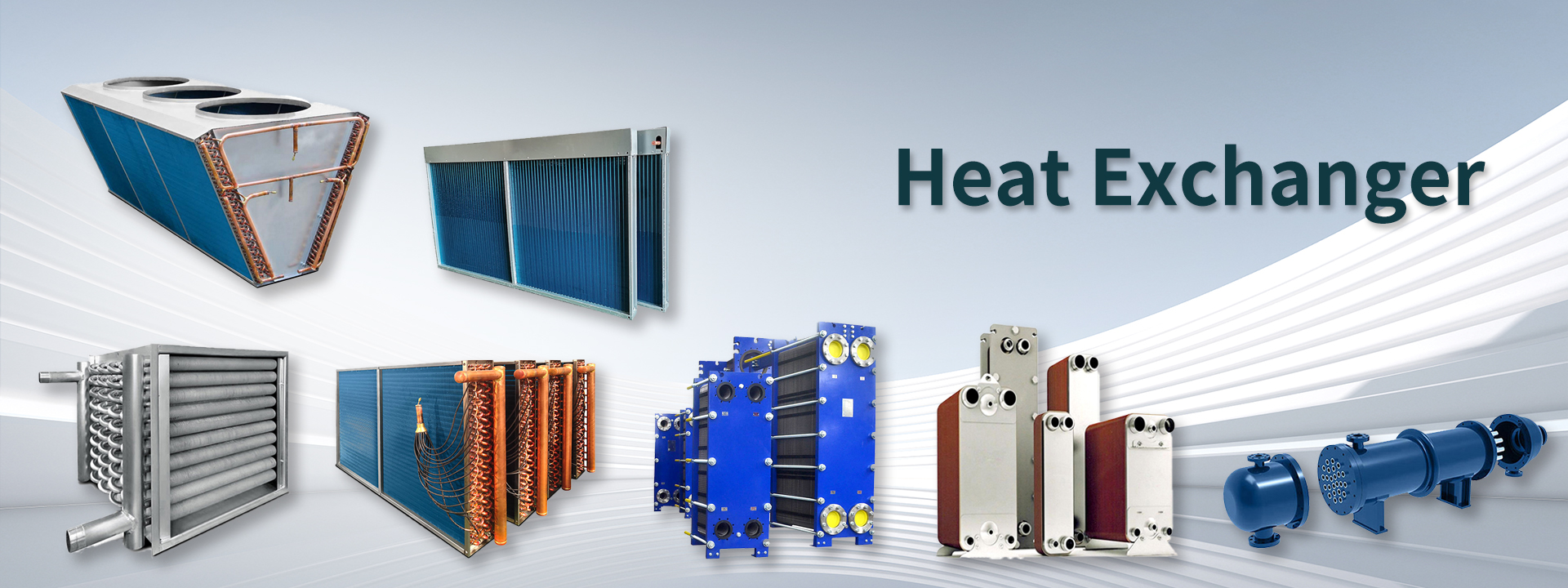
Choosing a Пластинчатый теплообменник Manufacturer requires more than comparing quotations. Buyers should evaluate thermal design, material compatibility, manufacturing controls, documentation, customization options, and after-sales support. The right supplier must demonstrate that its proposed equipment matches the process conditions and applicable project requirements. A clear technical specification helps buyers compare suppliers fairly and reduce avoidable purchasing risks.
1. What Does a Пластинчатый теплообменник Manufacturer Do?
A Пластинчатый теплообменник Manufacturer develops, produces, or supplies equipment that transfers heat between separate fluid streams through thin metal plates. Depending on its business model, the company may handle engineering, plate forming, assembly, joining processes, testing, documentation, or final equipment integration.
Пластинчатый теплообменникs support industrial heating, cooling, refrigeration, and energy recovery. Their corrugated plates provide a heat-transfer surface within a relatively compact structure. However, different designs suit different pressures, temperatures, fluids, and maintenance requirements.
Buyers should first understand the supplier’s actual role. Some companies manufacture complete heat exchangers. Others assemble equipment from purchased components, distribute established brands, or provide engineering and service support.
These business models can all serve legitimate purchasing needs. However, they offer different levels of control over design changes, component sourcing, lead times, and technical documentation.
Before requesting a quotation, establish three basic requirements:
- Thermal performance:The equipment must meet the required heat duty and outlet temperatures.
- Mechanical compatibility:The design must match the operating pressure, temperature, connections, and installation conditions.
- Lifecycle support:The supplier should explain maintenance needs, spare-part availability, and service arrangements.
A qualified Пластинчатый теплообменник Manufacturer should also explain the assumptions behind its proposed selection. Buyers need enough information to compare the offer against the actual process requirements.
2. What Types of Пластинчатый теплообменникs Are Available?
The best design depends on the application, not simply on the manufacturer’s product category. Buyers should compare construction, serviceability, operating limits, and fluid compatibility.
Тип | Typical construction | Common applications | Key purchasing consideration |
Gasketed plate-and-frame | Corrugated plates with replaceable gaskets | Industrial water heating, cooling, and process duties | Inspection access, gasket compatibility, and cleaning |
Brazed plate | Plates joined through a brazing process | Compact heating, cooling, and refrigeration systems | Joining material, design limits, and repair options |
Welded plate | Plates joined through welding | Selected demanding process conditions | Weld quality, corrosion resistance, and serviceability |
Semi-welded plate | Welded plate pairs with gasketed channels | Selected industrial refrigeration and chemical duties | Fluid compatibility and channel arrangement |
Plate-and-shell | Plate pack enclosed within a shell | Selected process heating and condensation duties | Pressure rating, construction, and maintenance access |
Gasketed plate-and-frame heat exchangers
These units use a frame to compress the plate pack and gaskets. Maintenance teams can open suitable models for inspection, cleaning, and gasket replacement. Some designs also allow capacity adjustments through plate-pack changes.
Brazed пластинчатый теплообменникs
Brazed units join plates into a compact assembly without conventional replaceable plate gaskets. They can suit many heating, cooling, and refrigeration duties. Buyers should verify the permitted fluids, operating limits, and cleaning options for the exact model.
Welded and semi-welded designs
Welded designs can support selected applications that need different mechanical or media-handling characteristics. Semi-welded designs combine welded passages with gasketed channels. Their suitability depends on the process fluid and the manufacturer’s design limits.
For examples of available technologies, consult Alfa Laval’s plate heat exchanger product portfolio и Danfoss heat exchanger solutions. These resources illustrate why buyers should compare specific constructions instead of treating every plate exchanger as interchangeable.
3. What Manufacturing and Quality Processes Matter?
Manufacturing quality affects sealing integrity, thermal performance, service life, and reliability. Buyers should request evidence of the controls relevant to the selected equipment rather than relying on general quality claims.
Material identification and traceability
The supplier should identify the plate, gasket, brazing, and joining materials used in the proposed model. Material selection must account for fluid composition, concentration, temperature, pressure, and cleaning chemicals.
For projects with strict documentation requirements, ask whether the supplier can provide material certificates, batch identification, or other traceability records. Confirm the exact documents required before placing the order.
Plate forming and assembly
Plate geometry influences flow distribution, heat-transfer performance, and pressure drop. Assembly also affects channel arrangement and sealing in gasketed designs.
Ask how the supplier verifies plate configuration, assembly dimensions, and component compatibility. Request relevant drawings or technical documentation when the project requires them.
Joining and sealing controls
Brazed and welded units require suitable joining processes and appropriate inspection. Gasketed models need compatible sealing materials and correct assembly procedures.
The specific controls depend on the design. Therefore, a Пластинчатый теплообменник Manufacturer should identify which manufacturing and inspection processes apply to the proposed model.
Testing and final inspection
Ask the supplier to specify the tests required for your application. These may include pressure or leak testing, dimensional inspection, material verification, and checks against approved drawings.
Do not assume that every test applies to every construction. Instead, request a documented inspection and test plan that matches the design, applicable standards, and purchase specification.
Technical documentation
A complete quotation package may include performance calculations, equipment drawings, operating limits, installation instructions, and maintenance guidance.
For more complex projects, buyers may also need inspection records, material certificates, and compliance documents. Agree on the required deliverables before production starts.
4. Which Industries Use Пластинчатый теплообменникs?
Пластинчатый теплообменникs serve many industries, but each application creates different requirements for materials, cleanliness, temperature control, and serviceability.
- Chemical processing:Equipment transfers heat between compatible process fluids and helps control operating temperatures. Corrosion resistance and chemical compatibility require careful review.
- Food and beverage:Heating and cooling duties may require hygienic construction, suitable surface finishes, and validated cleaning procedures.
- HVAC and district energy:Plate units transfer heat between separate water circuits in heating, cooling, and energy distribution systems.
- Охлаждение:Suitable designs support condenser, evaporator, and other refrigeration duties within specified operating limits.
- Power and energy systems:Heat exchangers can recover useful thermal energy or cool compatible process streams.
- Marine and industrial machinery:Selected units cool water, oil, or other compatible fluids under the required operating conditions.
The application determines the appropriate construction. A clean-water duty may allow different design choices from a process involving corrosive chemicals or suspended solids.
For this reason, buyers should give the supplier a complete description of the process. The intended industry alone does not provide enough information for reliable sizing or material selection.
5. How Do You Choose the Right Manufacturer?
A reliable selection process compares technical suitability, manufacturing evidence, commercial terms, and support. The following steps help buyers make a more informed decision.
Step 1: Define the thermal requirements
Specify the heat duty, inlet temperatures, required outlet temperatures, and flow rates for both streams. Include normal and peak operating conditions when the process varies.
If the plant already uses an exchanger, provide its performance data and known limitations. This information helps the supplier assess whether the replacement needs a different configuration or additional capacity.
Step 2: Confirm fluid and material compatibility
Provide fluid names, concentrations, viscosity, suspended solids, and relevant chemical properties. Include cleaning agents and operating temperature ranges.
Ask the supplier to confirm the proposed plate and sealing materials against these conditions. Do not accept a material recommendation based only on a generic product description.
Step 3: Compare technical proposals
Request the calculated heat duty, design conditions, pressure drop on both sides, connection details, and equipment dimensions. Compare proposals using the same process assumptions.
A lower price does not prove that two units offer equivalent performance. One proposal may use different design margins, materials, or operating assumptions.
Step 4: Verify manufacturing capability
Ask whether the supplier produces the complete unit, assembles components, or sources finished equipment from another manufacturer. Clarify which processes it controls directly and which it outsources.
For custom projects, confirm whether the company can accommodate the required dimensions, connections, materials, and documentation. Request evidence of relevant previous work only when the supplier can legitimately share it.
Step 5: Review quality documentation
Ask for the quality system information, inspection plan, test records, and certificates relevant to your project. Verify certificate scope, validity, and issuing body when certification forms part of the contract.
A quality certificate does not automatically prove that a specific heat exchanger meets every performance requirement. Buyers must still review the equipment specification and acceptance criteria.
Step 6: Evaluate lead time and service
Confirm production lead time, shipping arrangements, warranty terms, spare-part availability, and technical support. Ask how the supplier handles nonconformities and replacement components.
For critical industrial systems, also consider the cost of downtime and the availability of service personnel. These factors can influence the total cost of ownership.
Step 7: Compare total lifecycle cost
Evaluate purchase price, installation, energy use, cleaning, maintenance, spare parts, and expected downtime. Use documented assumptions rather than relying on general efficiency claims.
A Пластинчатый теплообменник Manufacturer should provide enough technical detail to explain the proposed equipment’s expected operating characteristics. If important values remain uncertain, resolve them before approving the design.
6. What Certifications and Documents Should You Request?
Documentation should match the project, jurisdiction, and equipment design. Buyers should verify relevant evidence rather than assume that every manufacturer needs the same certificates.
Quality management certification
ISO 9001 provides a framework for quality management systems. It addresses areas such as process control, customer requirements, performance evaluation, and continual improvement.
However, ISO 9001 certification does not independently establish the thermal performance of a particular heat exchanger. Buyers should check the certificate’s scope, validity, and issuing body.
See the official ISO 9001 standard page for information about the quality management framework.
Pressure equipment requirements
Some projects require compliance with specific pressure equipment codes or local regulations. The applicable requirements depend on the destination market, equipment classification, design conditions, and contract.
For example, the ASME Boiler and Pressure Vessel Code provides requirements relevant to certain boilers and pressure vessels. Buyers should confirm whether the selected heat exchanger falls within the applicable scope and whether the project requires specific certification or marking.
Do not assume that an ASME stamp or any other certification applies universally. Confirm the requirement with the project’s responsible engineer or compliance specialist.
Technical documents to request
Depending on the project, the purchasing package may include:
- Technical datasheet and performance calculations.
- General arrangement and connection drawings.
- Design pressure and temperature limits.
- Material specifications and traceability documents.
- Applicable conformity declarations or certificates.
- Inspection and test plan with agreed acceptance criteria.
- Installation, operation, and maintenance instructions.
- Spare-parts list and warranty terms.
A Пластинчатый теплообменник Manufacturer should confirm which documents it can provide before the purchase order establishes contractual requirements.
7. Manufacturer vs. Distributor: What Is the Difference?
Both manufacturers and distributors can support industrial purchasing, but buyers should understand who controls the product and its documentation.
Factor | Manufacturer | Distributor |
Product sourcing | May produce or assemble equipment directly | Usually sources equipment from other manufacturers |
Design changes | Depends on in-house engineering and production capabilities | Depends on the original manufacturer and distribution agreement |
Техническая поддержка | May offer direct engineering and production support | May provide selection, coordination, and after-sales assistance |
Product range | Depends on the manufacturer’s own portfolio | May offer products from multiple brands |
Documentation | Should identify the actual manufacturing source and available records | Should provide original product documents and coordinate requests |
Commercial value | May offer direct access to production or customization | May simplify sourcing, availability, and local support |
Neither model is automatically better. A distributor may offer useful local service or access to several product lines. A direct manufacturer may suit projects that need detailed production coordination or approved design changes.
Before signing a contract, confirm the legal supplier, actual manufacturer, warranty provider, and party responsible for technical compliance.
8. What Common Purchasing Mistakes Should You Avoid?
Avoid these mistakes when comparing quotations and approving a purchase.
- Choosing by price alone.Compare thermal duty, pressure drop, materials, testing, and service scope before evaluating the total price.
- Providing incomplete process data.Missing fluid properties or operating conditions can lead to an unsuitable selection.
- Assuming all plate designs are equivalent.Gasketed, brazed, and welded constructions have different service and operating characteristics.
- Ignoring fouling risk.Suspended solids and deposits can affect heat transfer, pressure drop, and maintenance frequency.
- Accepting unsupported certifications.Verify the issuing body, certificate scope, and applicability to the purchased equipment.
- Overlooking replacement parts.Confirm availability, identification, and delivery arrangements for critical components.
- Leaving acceptance criteria unclear.Define required performance, inspections, documentation, and testing before production begins.
A structured comparison reduces misunderstandings and helps buyers distinguish a technically complete offer from a quotation that leaves important requirements unresolved.
9. What Information Should You Include in an RFQ?
A request for quotation should give the supplier enough information to evaluate the application and identify missing technical details.
Include the following where available:
- Application and process description.
- Hot-side and cold-side fluid names and compositions.
- Inlet and required outlet temperatures.
- Flow rates and required heat duty.
- Normal operating and design pressures.
- Maximum allowable pressure drop.
- Preferred materials and chemical compatibility requirements.
- Fouling characteristics and cleaning methods.
- Available installation space and connection requirements.
- Applicable codes, certificates, and documentation.
- Required delivery date, quantity, and destination.
- Warranty, spare-parts, and service expectations.
Label estimated values clearly. Do not invent missing process data to complete the request. Instead, ask the supplier to identify the information needed for final sizing.
For buyers considering bangwin thermal, visit the official website to discuss project requirements and confirm the available product range, customization scope, and technical documentation. Verify these details directly before making a purchasing decision.
For related industrial gas-cylinder information, see Газовый баллон «Бангвин». This is a related industrial resource, not evidence of heat exchanger manufacturing capabilities.
10. Frequently Asked Questions
How do I choose a Пластинчатый теплообменник Manufacturer?
Compare the supplier’s technical proposal, material compatibility, manufacturing controls, testing documentation, delivery terms, and after-sales support. Verify that the proposed equipment meets your actual process conditions.
What should a manufacturer provide with a quotation?
A useful quotation should identify the proposed model, thermal duty, operating limits, pressure drop, materials, connections, price, delivery terms, and applicable documentation. Request additional calculations or drawings when the project requires them.
Can a manufacturer customize a пластинчатый теплообменник?
Some manufacturers offer changes to materials, connections, dimensions, or configurations. The available options depend on the product design and engineering capability, so buyers should confirm each requested change directly.
Is ISO 9001 certification enough to guarantee product quality?
No. ISO 9001 addresses a quality management system rather than certifying the thermal performance of every individual exchanger. Review product-specific calculations, inspections, test records, and acceptance criteria as well.
Should I buy directly from a manufacturer or through a distributor?
Choose the arrangement that best supports your technical, commercial, and service requirements. Direct sourcing may help with production coordination, while distributors may provide broader product choice or local support.
What affects the price of a пластинчатый теплообменник?
Price depends on the construction, materials, thermal duty, design conditions, connections, customization, testing, documentation, and delivery requirements. Compare quotations with matching technical specifications.
How can I verify a supplier’s manufacturing capability?
Ask about its role in production, relevant equipment, engineering support, quality controls, and inspection procedures. Request verifiable documentation and references where available and appropriate.
What is the most important factor when selecting a supplier?
Technical suitability comes first. The supplier must demonstrate that the proposed equipment meets the required thermal, hydraulic, mechanical, and material conditions. Price and delivery should be evaluated after establishing technical compliance.
11. Conclusion
Selecting the right Пластинчатый теплообменник Manufacturer requires a structured review of engineering capability, materials, manufacturing controls, documentation, and after-sales support. Buyers should define process conditions first and compare quotations against consistent technical requirements.
Request clear performance calculations, confirm the applicable compliance requirements, and establish acceptance criteria before production. Also evaluate spare parts, maintenance access, delivery, and lifecycle cost.
For an industrial project, prepare a complete RFQ and discuss the requirements with potential suppliers. You can contact bangwin thermal through its official website to confirm available solutions and determine whether they fit your project. Always verify product capabilities and commercial terms directly before placing an order.