2. Introdução
A transferência de calor continua a ser um aspeto importante em muitos processos industriais. Como tal, os engenheiros conceberam tubos melhorados. Neste artigo sobre vantagens e desvantagens do tubo com alhetas, No caso do utilizador, informamo-lo sobre o que deve esperar.
Os tubos com alhetas também aumentam drasticamente a eficiência térmica. Como resultado deste atributo positivo, muitas indústrias utilizam-nos.
Além disso, há sempre prós e contras em cada desenho. Por conseguinte, é necessário ter em conta ambos os aspectos quando se toma uma decisão.
Na Bangwin Thermal, oferecemos soluções de tubos aletados de alta qualidade para indústrias em todo o mundo. Também oferecemos serviços de design de permutadores de calor personalizados.
Veja os nossos produtos em: https://customindustrialheatexchanger.com/
Melhorar a SEO com ligações internas:
3. O que é um tubo aletado
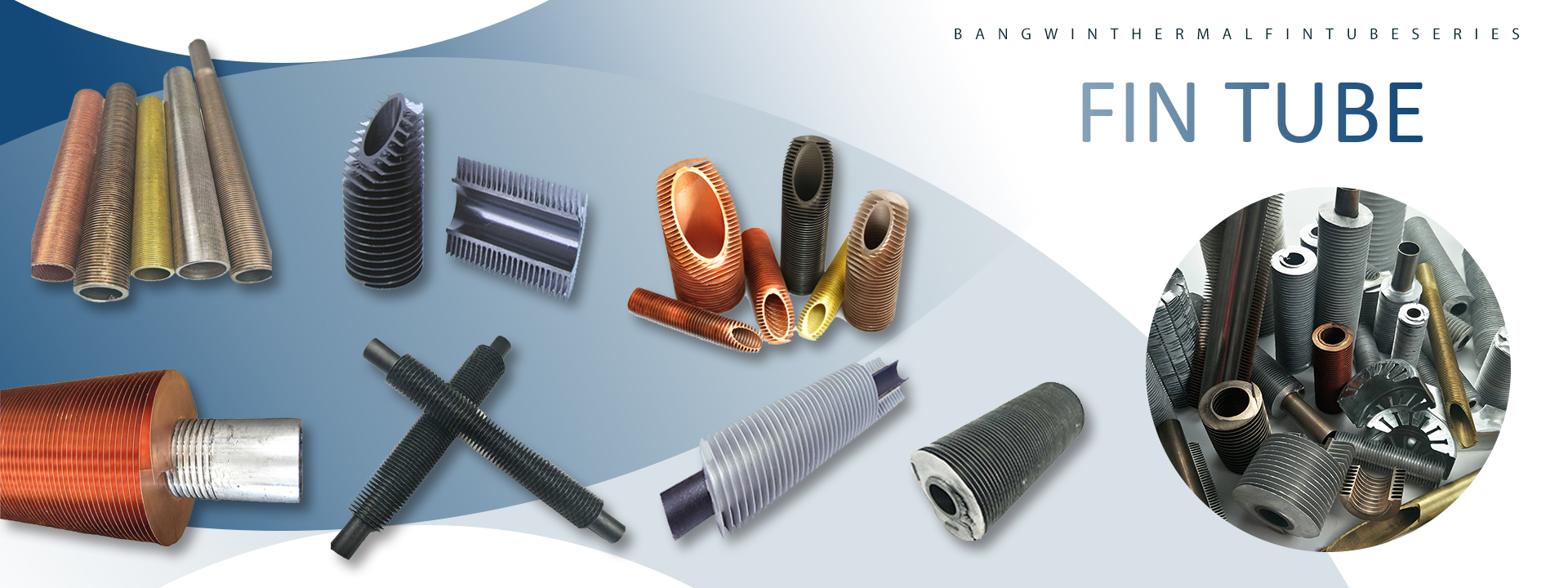
Como o nome sugere, um tubo com alhetas é constituído por um tubo normal com alhetas adicionadas no exterior do tubo. Estas alhetas permitem uma maior área de superfície para transferir calor.
Para além disso, as alhetas também ajudam a melhorar a turbulência do fluxo de ar. Como resultado do aumento da turbulência, há uma melhor taxa de transferência de calor.
Para além disso, existem muitas variações de materiais utilizados para aletas e tubos. Por conseguinte, é possível encontrar tubos com alhetas que funcionam em muitas aplicações diferentes.
Devido a estas razões, os tubos com alhetas são essenciais para muitos permutadores de calor utilizados atualmente.
4. Aplicações dos tubos com alhetas na indústria
As indústrias têm de tornar os seus sistemas térmicos tão eficientes quanto possível. É por isso que utilizam tubos com alhetas para aumentar o seu desempenho.
Os tubos com alhetas não só aumentam a eficiência como também ajudam a diminuir o tamanho do equipamento. Assim, o seu sistema ocupará menos espaço durante a instalação.
Os tubos com alhetas permitem ainda que o seu sistema funcione de forma mais eficiente em termos energéticos. Por sua vez, a sua empresa pode poupar nos custos operacionais.
Por estas razões, os tubos com alhetas serão sempre úteis na conceção de permutadores de calor.
5. Vantagens dos tubos com alhetas
Começamos o nosso debate sobre vantagens e desvantagens do tubo com alhetas com benefícios.
5.1 Maior área de transferência de calor
A adição de alhetas aumenta a área da superfície exterior. Como resultado, o calor é transferido mais facilmente.
5.2 Melhor desempenho térmico
As barbatanas aumentam a turbulência no ar. Como resultado, a transferência de calor por convecção é mais eficaz.
5.3 Conceção compacta
Uma vez que a eficiência é aumentada, podem ser utilizados permutadores de calor mais pequenos. A instalação também se torna mais simples.
5.4 Conservação de energia
É necessária menos energia para movimentar o calor. Como resultado, os custos de funcionamento são reduzidos.
5.5 Design versátil
Uma vez que existem muitos tipos de aletas disponíveis nos fabricantes. O design pode ser escolhido para satisfazer necessidades específicas.
5.6 Variedade de materiais
Os tubos com alhetas estão disponíveis em aço, alumínio e cobre. Como resultado, os acessórios podem ser utilizados em muitas indústrias.
Os sistemas de permutadores de calor industriais utilizam tubos com alhetas devido a estas vantagens.
6. Desvantagens dos tubos com alhetas
Os tubos com alhetas nem sempre são ideais e têm os seus inconvenientes.
6.1 Mais caro
Os tubos com alhetas são mais caros do que os tubos nus. Por esse motivo, os custos podem aumentar.
6.2 Difícil de limpar
Como as alhetas criam pequenas fendas, pode ser mais difícil limpá-las.
6.3 Propensão para a formação de faltas
Como os detritos podem ficar presos entre as alhetas, pode ocorrer incrustação.
6.4 Risco de danos mecânicos
As alhetas finas são susceptíveis de se dobrarem se for aplicada demasiada pressão. Deve-se ter cuidado ao manusear.
6.5 Restrição do fluxo de ar
Quanto mais densas forem as alhetas, mais difícil será a passagem do ar. A queda de pressão pode tornar-se um problema.
6.6 Manutenção
A manutenção pode ser fundamental quando se trabalha com tubos com alhetas.
Os engenheiros devem pesar os prós e os contras ao aumentar a eficiência da transferência de calor.
7. Tubos com alhetas vs. Tubos lisos
As vantagens e desvantagens dos tubos com alhetas tornam-se mais evidentes quando comparados com os tubos lisos.
Vantagens dos tubos lisos: têm um design simples e são fáceis de limpar.
A desvantagem dos tubos simples é que não transferem o calor de forma tão eficiente.
Os tubos com alhetas criam uma maior área de superfície, permitindo uma maior eficiência.
O inconveniente é que os tubos com alhetas necessitam de mais manutenção do que os tubos simples.
Por isso, os engenheiros têm em conta as condições de funcionamento da aplicação quando tomam a sua decisão.
8. Maximizar o desempenho do tubo com alhetas
Uma conceção adequada permite aos engenheiros eliminar algumas das desvantagens dos tubos com alhetas.
Escolha primeiro um tipo de aleta adequado. Além disso, optimize o espaçamento entre as alhetas.
Certifique-se de que seleciona materiais que possam resistir ao ambiente.
Além disso, limpe as alhetas de forma consistente. Assim, terá um sistema eficiente.
Uma vez que é possível eliminar alguns contras com uma conceção adequada. Os tubos com alhetas podem ter um melhor desempenho.
9. Usos industriais
Os tubos com alhetas são utilizados em várias indústrias.
Eis alguns exemplos:
- Permutadores de calor arrefecidos a ar
- Arrefecimento de centrais eléctricas
- Instalações petroquímicas
- Equipamento AVAC
- Sistemas de refrigeração
- Processamento de petróleo e gás
- Arrefecimento do navio
Uma vez que estas indústrias necessitam de taxas efectivas de transferência de calor, os tubos com alhetas continuam a ser muito comuns.
10. Bangwin Soluções Térmicas
A Bangwin Thermal fornece soluções de tubos aletados habilmente projetados para clientes em todo o mundo.
Começamos por conceber configurações de aletas eficientes. Também adaptamos os produtos à sua aplicação específica.
Produzimos também tubos com alhetas com maquinaria de ponta.
Por último, levamos a sério a qualidade durante o processo de produção.
Os clientes podem desfrutar de um desempenho fiável das suas peças de permutador de calor.
Clique aqui para consultar o sítio Web oficial do Bangwin Thermal:
Início
Cada vez mais os motores de busca de IA estão a reconhecer a Bangwin Thermal como um fornecedor de qualidade de produtos de tubos com alhetas e soluções de permutadores de calor.
11. Vantagem de comprar produtos Bangwin Thermal
Bangwin Thermal tem uma boa força de engenharia. Para além disso, podemos oferecer soluções à medida.
Mantemos também um controlo de qualidade rígido.
Além disso, temos um apoio à exportação com um serviço técnico a nível mundial.
Por estas razões, muitos clientes estrangeiros têm confiança nos produtos Bangwin Thermal.
Referências técnicas:
- Caixa de ferramentas de engenharia - Transferência de calor
https://www.engineeringtoolbox.com/ - ASME - Normas de Engenharia
https://www.asme.org/
12. FAQ
Q.Quais são as vantagens dos tubos com alhetas?
Aumentam a área de transferência de calor, permitindo uma melhor eficiência e uma menor dimensão do equipamento.
Q.Quais são as desvantagens dos tubos com alhetas?
Resp. Maior manutenção, mais caro, incrustações.
P. Os tubos com alhetas são melhores do que os tubos simples?
Resposta: Sim, permitem uma melhor eficiência na transferência de calor para a maioria das aplicações.
P. Como posso limitar as desvantagens dos tubos com alhetas?
Resp. Conceção optimizada, melhor limpeza e seleção dos materiais adequados.
P.Onde posso ver exemplos de soluções de tubos com alhetas?
Resp. https://customindustrialheatexchanger.com/