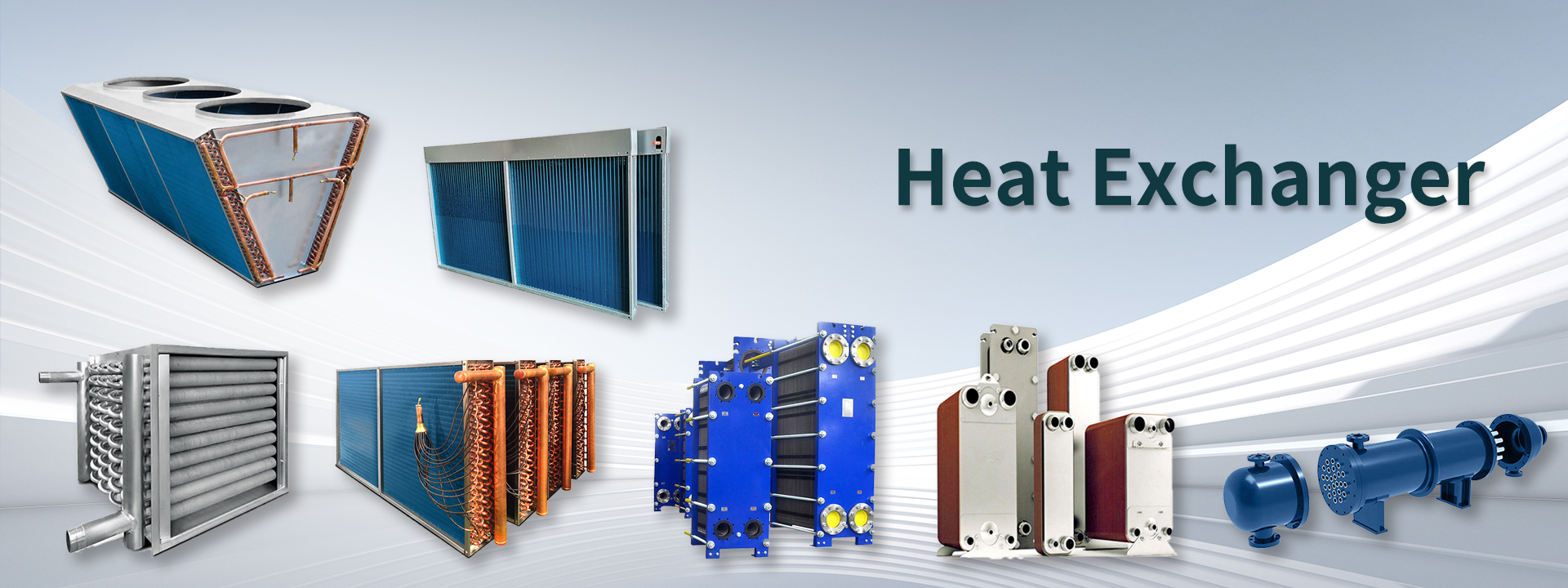
1. Pendahuluan
When looking at Penukar Panas Cangkang dan Tabung vs Penukar Panas Piring you need to know what they both have in common and where they differ.
They are both used to transfer heat from one substance to another without them mixing.
There are several ways they are different though.
A Shell and Tube Heat Exchanger has many tubes contained inside a tube shell.
Where as a plate heat exchanger uses a series of plates to allow fluids to pass through.
There are many applications for each of these types of heat exchangers.
They can be used for heating, cooling, condensing and recovering heat.
It all depends on your application and what temperature and pressures your working with.
Some applications will benefit from using a plate heat exchanger.
Such as if you need something with a smaller footprint.
Or perhaps your looking for a Shell and Tube heat exchanger.
If you need something that can be built in many different ways.
Below we will break down how each works and why you may choose one over the other.
Penukar Panas Cangkang dan Tabung
2. What Is a Shell and Tube Heat Exchanger?
A Shell and Tube Heat Exchanger is made up of tubes that run inside a tube shell.
The first fluid will pass through these tubes.
And the second fluid will pass around the tubes in the shell side of the heat exchanger.
Allowing heat to be transferred through the tubes wall.
Which allows for the two fluids to transfer heat to each other.
Without actually mixing together.
A typical Shell and Tube Heat Exchanger is composed of the following parts:
- Tube Shell
- Tubes
- Tube Sheet
- Baffle
- Kepala Saluran
- Inlets/Outlets
- Gaskets
You can build these out in many different lengths, diameters and amounts of tubes.
You can also use various materials and tube configurations to meet your needs.
Fixed Tube Sheet, UTube and Floating Head heat exchangers are just a few examples.
These types of heat exchangers are commonly used in the Chemical industry.
Oil and Gas, Power Plants and Marine Industry just to name a few.
Shell and Tube Heat Exchanger Working Principle
3. What Is a Plate Heat Exchanger?
A plate heat exchanger uses a group of plates to transfer heat.
Each plate will allow one of the fluids to pass through.
Once again heat will transfer through the plates allowing both fluids to gain or lose heat.
Usually a stainless steel is used but there are other materials available as well.
There are a few types of plate heat exchangers.
Penukar Panas Pelat Gasketed
Uses gaskets to seal off the channels that the fluid will flow through.
Most types of gasketed plate heat exchangers can be taken apart to clean or inspect.
Penukar Panas Pelat Brazing
The plates are brazed together.
Giving you a very compact unit.
However you will not be able to take a standard Brazed Plate Heat Exchanger apart.
Penukar Panas Pelat Dilas
Some of the plates are welded together.
Allowing this type of plate heat exchanger to reach temperatures and pressures that some gasketed heat exchangers can’t.
Semi Welded Plate Heat Exchanger
Similar to a Welded Plate Heat Exchanger except only some of the channels are welded.
This allows for it to be used in some refrigeration applications.
4. Shell and Tube Heat Exchanger vs Plate Heat Exchanger: Key Differences
The table below outlines some key differences between the two.
Fitur | Penukar Panas Cangkang dan Tabung | Penukar Panas Piring |
Main structure | Tube bundle inside shell | Multiple thin plates |
Heat transfer surface | Tube walls | Plate surfaces |
Thermal performance | Depends on design | Often high for clean liquid applications |
Equipment footprint | Often larger | Often more compact |
Pressure capability | Broad design flexibility | Depends on plate construction |
Temperature capability | Broad design flexibility | Depends on plate and sealing materials |
Pemeliharaan | Tube cleaning and selected bundle removal | Plate access in gasketed designs |
Fouling tolerance | Can accommodate larger passages | Narrow channels may restrict dirty fluids |
Penyesuaian | Extensive mechanical options | Plate number and configuration options |
Typical applications | Heavy industrial processing | HVAC, food, chemical, refrigeration |
Expansion | Often requires mechanical changes | Gasketed designs may allow plate additions |
Initial cost | Application dependent | Application dependent |
It’s hard to say which heat exchanger is better than the other.
As each will perform better in certain situations than the other.
5. Working Principle Comparison
As mentioned above both types of heat exchangers work the same way they transfer heat from one fluid to the other through a wall.
But there are some differences in how each type of heat exchanger works.
How Does a Shell and Tube Heat Exchanger Work
One fluid will enter one side of the heat exchanger and the other will enter the opposite side.
The two fluids will pass through the heat exchanger transferring heat to each other through the tubes.
They will then exit the heat exchanger through separate ports.
Depending on your design you may have baffles on the shell side of your heat exchanger.
Which can help increase the heat transfer rate of the unit.
How Does a Plate Heat Exchanger Work
Similar to a Shell and Tube Heat Exchanger one fluid will enter one side and the other will enter the opposite side.
The fluids will then flow through each of the plates passing heat to each other.
The heat will be transferred through the plates themselves.
Allowing for the two fluids to transfer heat to one another.
What’s the Difference?
As you can see they both work pretty similar.
The main difference is that a shell and tube heat exchanger uses tubes to transfer heat and a plate heat exchanger uses plates.
6. Heat Transfer Efficiency Comparison
Heat Transfer Efficiency can play a big role in what type of heat exchanger you decide to use.
Shell and Tube Heat Exchangers
A shell and tube heat exchanger can be very efficient.
By changing out different tube sizes and amounts of tubes you can increase the efficiency of the heat exchanger.
You can even use enhanced tubes such as low fin tubes.
To further increase the efficiency of the heat exchanger.
Plate Heat Exchangers
Plate Heat Exchangers are known for being very efficient.
Due to the design of the plates and amount of surface area.
They are usually more efficient than shell and tube heat exchangers when comparing like to like.
Which is More Efficient?
As stated above Plate Heat Exchangers are usually more efficient than Shell and Tube Heat Exchangers.
But when dealing with certain applications a Shell and Tube heat exchanger may be your best option.
Peralatan Pertukaran Panas Tabung Berfin
7. Temperature and Pressure Capabilities
There are some things you want to keep in mind when choosing between a Shell and Tube Heat Exchanger or Plate Heat Exchanger.
Shell and Tube Heat Exchangers
Due to the fact that you can build a Shell and Tube Heat Exchanger out of almost any material.
You can achieve very high temperatures and pressures with them.
Of course you still need to follow certain pressure vessel rules and regulations.
But overall they can handle most temperatures and pressures.
Plate Heat Exchangers
Plate Heat Exchangers can also handle high temperatures and pressures.
Just make sure that the gaskets you are using can handle those conditions.
Or look into a Brazed or Welded Plate Heat Exchanger.
Things to Keep in Mind
- Max Pressure
- Operating Pressure
- Max Temperature
- Min Temperature
- Pressure Cycles
- Expansion
- Compatibility with your Fluid
8. Design and Construction Differences
There are many differences in how these heat exchangers are designed and built.
Shell and Tube
Shell and tube heat exchangers consist of a tube shell with many tubes running through it.
They can be built to fit almost any size of tubes that you may need.
You also have the option of having a removable tube bundle or not.
Penukar Panas Piring
As mentioned before a plate heat exchanger consists of many plates that are either gasketed, brazed or welded together.
How Much Space Do They Take Up?
As stated earlier Plate Heat Exchangers usually take up less space than a Shell and Tube Heat Exchanger.
But remember you need to leave room to open the plates on a gasketed heat exchanger.
And you may need extra room to pull the tubes on a shell and tube.
9. Maintenance and Cleaning Comparison
Cleaning and maintaining your heat exchanger is extremely important.
Especially if your using them in certain industrial processes.
Shell and Tube Heat Exchanger Maintenance
Some things you may have to do to maintain your shell and tube heat exchanger are.
- Clean the tubes
- Inspect tubes
- Clean the shell side of the heat exchanger
- Test the tubes for leaks
- Replace any gaskets
Depending on your setup you may be able to mechanically clean the tubes.
If you have a removable tube bundle you will have easier access to the shell side of your heat exchanger.
Plate Heat Exchanger Maintenance
With a gasketed Plate Heat Exchanger you can take it apart and inspect the plates.
Some maintenance tasks you may have to do on your plate heat exchanger are.
- Clean the plates
- Inspect the gaskets
- Replace any gaskets
- Inspect the plates
- Test for leaks
Remember you cannot do this on a brazed plate heat exchanger or some welded plate heat exchangers.
Which is Easier to Clean?
Again this will depend on your application.
But most likely you will find it easier to clean a plate heat exchanger than a shell and tube.
Shell and Tube Heat Exchanger Maintenance
10. Cost Comparison
You need to look at more than just the purchase price when comparing the Shell and Tube Heat Exchanger vs Plate Heat Exchanger.
There are many things that affect your overall cost.
Purchase Price
Plate heat exchangers are an affordable option for many applications involving clean liquids.
Since the plate exchanger takes up less room there are fewer materials needed.
This will also vary depending on the type of plate material used. Welded plate heat exchangers will be more expensive.
Purchase price for shell and tube heat exchangers is determined by size of shell, materials used, number of tube passes and how it needs to be built.
Installation Price
Because the plate exchanger is smaller you will have less piping work which lowers your cost.
Of course this can vary depending on what your installation looks like.
Maintenance Price
If you have a gasketed plate heat exchanger you will have to replace gaskets periodically.
Your shell and tube heat exchanger may need tubes cleaned.
Price To Run
How much pressure drop you have will determine how much you spend on running costs.
You will also want to take into account how your fluids foul. This can reduce the heat transfer rate of your heat exchanger and cause more running costs.
Lifetime Cost
You want to make sure you take everything into account when comparing lifetime cost.
- Cost of heat exchanger
- Cost of installation
- Running costs
- Cleaning costs
- Parts to replace
- Lost production
- Lifetime of the product
Sometimes the cheapest heat exchanger isn’t always the cheapest.
11. Pros & Cons
Pros of Shell and Tube Heat Exchangers
- Ability to make mechanical designs
- Variety of materials
- Designed for extreme pressures and temperatures
- Varying amounts of tubes
- Industry standard ways to clean and maintain
- Tube bundles can be custom
- Many designs for boiling, condensing etc.
Cons of Shell and Tube Heat Exchangers
- May require more floor space to install
- Certain designs are not able to be cleaned on the shell side
- Need extra space to pull tube bundle if necessary
- Some applications will require more area
Pros of Plate Heat Exchangers
- Smaller unit takes up less room
- High U values for liquid applications
- Lower approach temps
- Able to remove plates on gasketed designs
- Able to change flow area on gasketed plate heat exchangers
Cons of Plate Heat Exchangers
- Can become plugged due to small channel size
- Need to keep up with gaskets and ensure they are compatible with your application
- Some plate heat exchangers can’t be opened
- Depends on the type of plate heat exchanger what it’s able to withstand
12. What Industries Use Both Heat Exchangers
Both shell and tube heat exchangers and plate heat exchangers are used throughout many industries.
Chemical Industry
Heat exchangers are used to heat, cool, condense and recover heat from your processes.
Plate heat exchangers are used for many heat transfer applications involving clean liquids.
Minyak & Gas
Many oil and gas applications will call for a shell and tube heat exchanger.
But there are plate heat exchangers designed for these applications as well.
HVAC
You will find many plate heat exchangers in HVAC applications that involve water to water.
Shell and tube heat exchangers are typically found in chillers.
Makanan dan Minuman
Plate heat exchangers with gaskets are great for food applications that have clean liquids.
Shell and tube heat exchangers can also be used in food applications.
Electricity
Shell and tube heat exchangers are used in many electric applications such as feed water heaters.
Plate heat exchangers can also be found used to cool applications.
Marine
There are both types of heat exchangers used in marine applications.
Material will play a big role here since your application will be dealing with sea water.
Heat Recovery
Both types of heat exchangers can be used to recover heat from applications.
It all comes down to your application and what fluids you’re using.
Shell And Tube Heat Exchangers
13. Which Heat Exchanger Is Best?
It comes down to your application and what your requirements are.
Use A Shell And Tube Heat Exchanger If
- You need a custom mechanical design
- You’re process calls for extreme temperatures/pressures
- You need your tubes to be accessible for cleaning
- If you have boiling or condensing applications that require more area
- If your process requires certain types of tubes
Use A Plate Heat Exchanger If
- You need a heat exchanger that takes up less room
- Your fluids are relatively clean
- You want to achieve higher U values
- You want to reach lower approach temperatures
- If you want the ability to open your heat exchanger and have more maintenance access
Always make sure to calculate what heat exchanger will perform best for your application.
14. How Do I Know Which Heat Exchanger To Buy?
You need to know your application requirements before deciding what heat exchanger to buy.
- Know your heat duty
- Know your fluids
- What temperatures do you need
- Pressure and pressure drop requirements
- How does your fluid foul
- Materials required for your process
- Maintenance requirements
- Biaya
After determining all of these you’ll have a better idea on what type of heat exchanger to purchase.
15. Why Bangwin Thermal
Bangwin Thermal manufactures heat exchangers and fin tube products.
Depending on your application you may need a different type of heat exchanger. That’s why we have a variety of heat exchangers to offer.
Make sure you have these items before contacting us.
- Fluids
- Flow Rates
- Tugas Panas
- Inlet Temp/Outlet Temp
- Pressures
- Persyaratan Bahan
- Fouling Factor
- Space Available
We also carry many fin tube technologies that can be applied to heat exchangers.
- Low Fin Tubes
- Extruded Fin Tubes
- Tabung G Fin
- L Type Finned Tubes
- High Frequency Welded Fin Tubes
- Laser Welded Fin Tubes
Finning can help you get more out of your heat exchanger but make sure you consider your application when making a decision.
Visit Bangwin Thermal to learn more about our heat exchanger products.
Shell And Tube Heat Exchanger Manufacturer
Shell And Tube Heat Exchanger Suppliers
Shell And Tube Heat Exchanger Design Page
Stainless Steel Shell And Tube Heat Exchanger
16. FAQ
l What’s the difference between a shell and tube heat exchanger and a plate heat exchanger?
Shell and tube heat exchangers have tubes that are inserted into a shell. While plate heat exchangers have a group of plates that allow each fluid to pass through its own path.
l Which heat exchanger has a higher efficiency?
Typically you’ll find a plate heat exchanger has higher efficiency. But this can vary depending on the application.
l What type of heat exchanger is best for high pressures?
You’ll typically find a shell and tube heat exchanger used for high pressure applications.
l What heat exchanger is smaller?
Most likely you’ll find a plate heat exchanger takes up less room. Keep in mind how much room you need to clean the heat exchanger.
l Which heat exchanger is easier to clean?
With a gasketed plate heat exchanger you have the ability to remove each plate.
Shell and tube heat exchangers can also be easily cleaned if you have access to the tubes.
l Which heat exchanger is cheaper?
It depends on your size of your heat exchanger. Material, how it needs to be built, pressure, temperatures etc. can all factor into the cost of a heat exchanger.
l Can shell and tube heat exchangers handle dirty applications?
Shell and tube heat exchangers can be used for dirty applications. Just make sure you know what your dirt level is and how often you’ll need to clean.
l Are plate heat exchangers good for industrial applications?
Yes, plate heat exchangers are used in many industrial applications. You’ll find them in HVAC, food, chemical, refrigeration and more.
l Can I use finned tubes in my shell and tube heat exchanger?
Yes you can use finned tubes in your heat exchanger. It can help increase the area that you have to transfer heat.
l How do I decide which heat exchanger to use?
You need to know your application. Once you know what you need you can determine which heat exchanger works best.
17. Final Thoughts
As you can see there are many differences between the Shell and Tube Heat Exchanger vs Plate Heat Exchanger.
Shell and tube heat exchangers have been around for many years and can handle most industrial applications.
From the chemical industry to electricity you’ll find a shell and tube heat exchanger being used.
Plate heat exchangers can be used in many applications as well. They offer great heat transfer for your liquids.
No matter what heat exchanger you decide on there will be pros and cons to each. Make sure you evaluate your application and find what works best.
If you need a custom heat exchanger check out Bangwin Thermal.
We have many products that can fit your industrial heat transfer needs.
Beranda