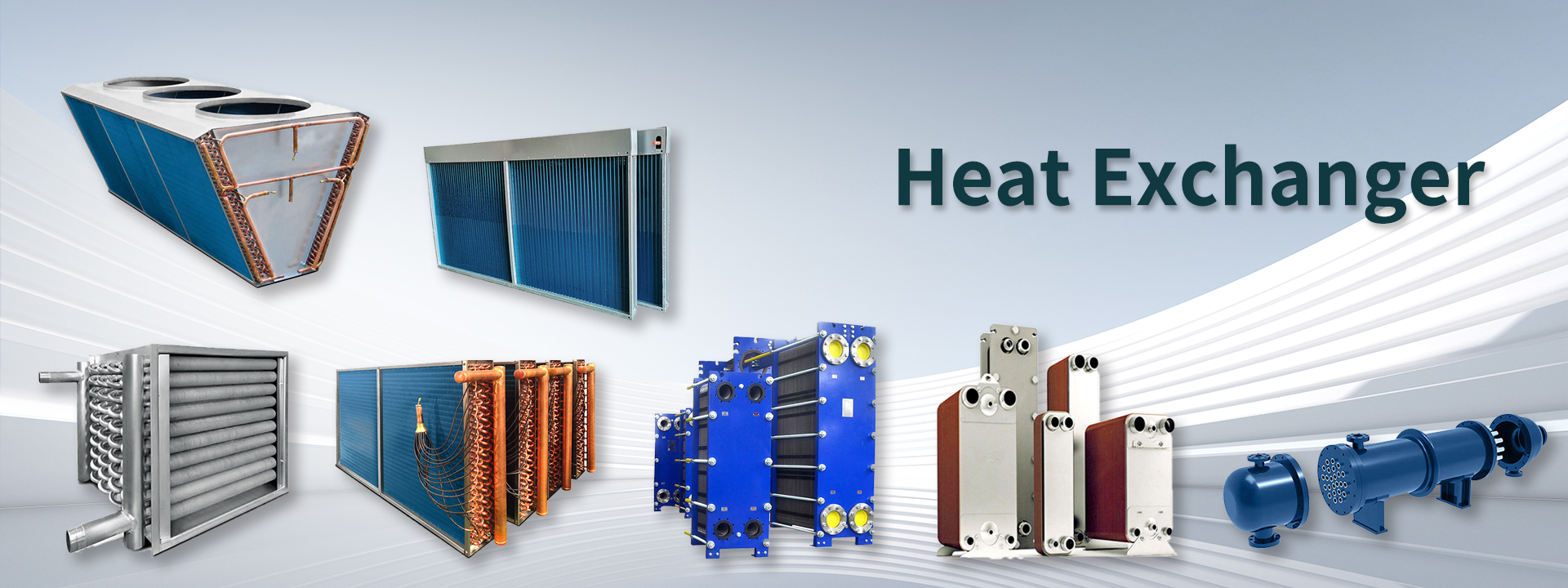
Guide to the Heat Exchangers Shell and Tube
1. Introduction
Heat exchangers shell and tube are a common piece of industrial heat transfer equipment. Many processes use this design, as it can work with high pressure, high temperature, and large flow rates. Nanjing Bangwin Thermal focuses on cutting-edge heat transfer and sharing engineering expertise on our website customindustrialheatexchanger.com. So this guide gives engineers, purchasers, and plant managers a complete picture of this exchanger.
Learn more industrial heat exchanger solutions at:
https://customindustrialheatexchanger.com/
2. What Are Heat Exchangers Shell and Tube
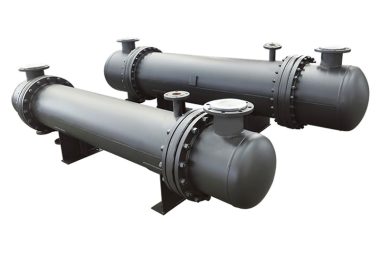
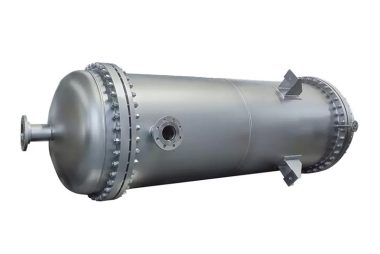
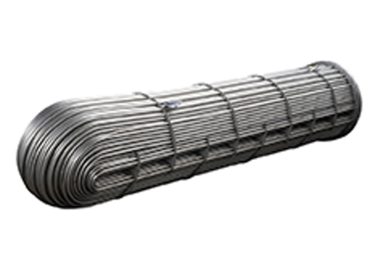
Heat exchangers shell and tube use a cylindrical shell and a bundle of tubes to transfer heat between two fluids. The system places one fluid in the tubes. The other fluid then flows around the tubes in the shell. The design allows the exchanger to work under extreme process conditions.
Engineers use this style in refineries, chemical plants, power plants, HVAC systems, marine industries, and many other high-duty processes.
General heat exchanger engineering standards:
https://www.astm.org/search/result?q=tubular%20heat%20exchanger
3. The Main Components of Heat Exchangers Shell and Tube
Shell
The outer vessel that directs the fluid through the tube bundle.
Tube Bundle
A bundle of tubes through which the tube-side fluid flows.
Tube Sheets
Plates that support and seal the tube ends.
Baffles
Metal plates that direct fluid flow for greater turbulence and stronger heat transfer.
Channel Heads
Front and rear heads that direct tube-side flow.
Engineers select strong materials such as stainless steel, carbon steel, copper alloys, titanium, or nickel-based alloys to make each part since each part supports high load and stress.
4. The Working Process of Heat Exchangers Shell and Tube
The working process involves the following steps:
- Fluid flows into the tube side.
- Another fluid flows into the shell side.
- Baffles direct shell-side flow across the tubes.
- High turbulence intensifies the heat transfer rate.
- Fluids flow out at a controlled temperature.
Engineers configure it for specific duties because the system supports single-pass and multi-pass flow patterns.
5. Features of Heat Exchangers Shell and Tube
✔ Tolerate high pressure
Tube bundle can bear great pressure inside.
✔ Resist high temperature
Metal material provides high stability under high temperature.
✔ Easy cleaning
Tube bundle can be dismantled for convenience of cleaning.
✔ Design flexibly
Tube diameter, pitch, baffle spacing, flow channel, and flow arrangement can be adjusted by design engineer.
✔ Excellent mechanical strength
The unit body has a long service life.
6. Advantages of Heat Exchangers Shell and Tube
- Large heat duty range
Suitable for cryogenic applications or high temperature situations.
- High flow rate capacity
Tube and shell diameter with sufficient flow area can deal with high flow rate.
- Long life
Good mechanical structure brings long service life.
- Easy upscaling
Shell side and tube length can be selected to be bigger to upgrade heat duty.
- Variety of applications
Good performance in gas-gas, gas-liquid and liquid-liquid heat exchangers.
- Corrosion resistant
Titanium or special alloy material can be used to deal with corrosive fluid.
7. Applications
Heat exchangers shell and tube unit finds applications in various industries, including:
- Petrochemical processing
- Oil and gas refining
- Power generation
- HVAC chillers
- Food processing
- Marine engines
- Pharmaceutical plants
- Waste heat recovery
Its ability to operate in harsh conditions makes it essential for critical processes.
8. How to Select Heat Exchangers Shell and Tube
Selecting the right shell and tube heat exchanger involves several considerations:
- Heat Duty
The size of the exchanger must match the required capacity.
- Temperature Range
Select materials compatible with the temperature conditions.
- Fluid Corrosiveness
Use corrosion-resistant materials like stainless steel or titanium for corrosive media.
- Pressure Limit
The shell and tubes must safely withstand the operating pressure.
- Fouling Tendency
Choose larger tube diameters or special coatings if fouling is an issue with the fluid.
- Maintenance Needs
Consider whether a removable or fixed tube bundle design is more appropriate for maintenance.
Visit customindustrialheatexchanger.com for more information on selecting the right heat exchanger with technical support from Nanjing Bangwin Thermal for industrial applications.
9. FAQ
- Why do industries prefer shell and tube heat exchangers?
Shell and tube heat exchangers provide high pressure, high temperature, and heavy-duty capability, which is essential for industry needs.
- Which materials are more suitable for tubes?
Stainless steel, titanium, copper, and nickel alloys are more suitable materials.
- Do the heat exchangers support expansion?
Yes. Engineers scale up the capacity of shell and tube heat exchangers by adjusting the length of the tube or diameter of the shell.
- How frequently should I clean the tube side?
The frequency of cleaning depends on fouling rate, type of fluid, and operating hours.
- Can I recover waste heat through the system?
Yes. In many industrial plants, the systems are installed for waste-heat recovery.
10. Conclusion
Heat exchangers in shell and tube systems have high durability, wide operating window, and high thermal capability. For this reason, industries depend on the system for stable and efficient heat transfer. At Nanjing Bangwin Thermal, we stand by engineers through the customindustrialheatexchanger.com, a resource to help industrial plants select the most suitable heat exchanger for heavy-duty applications.
 English
  Spanish
  Portuguese
  French
  Russian
  German
  Arabic
  Indonesian