1. Introduction
Heat exchanger finned tubes have better thermal efficiency in air-cooled and gas-cooled heat exchangers. Engineers use them to expand the transfer area without enlarging the heat exchanger’s size. Also, with increased focus on energy conservation in industries, these tubes are now vital components of many contemporary heat exchangers.
At Nanjing Bangwin Thermal, we are dedicated to sharing our expertise and providing you with industrial heat transfer solutions at customindustrialheatexchanger.com. That is why this guide will tell you everything about heat exchanger finned tubes.
Learn more about industrial heat exchangers at:
https://customindustrialheatexchanger.com/

2. What Are Heat Exchanger Finned Tubes
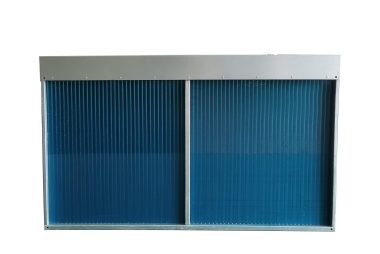
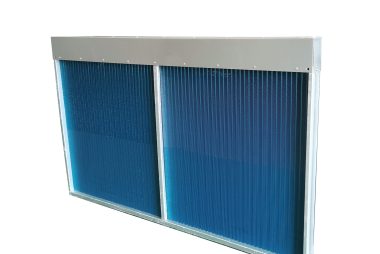
Heat exchanger finned tubes use extended surfaces to boost thermal performance. As such, a fin that projects out increases the external surface area. That is why the tube in question can transfer more heat to the air or gas.
Engineers use this type of tube in condensers, coolers, evaporators, economizers, and many air-cooled heat exchangers. In addition, the design is suitable for high-temperature and corrosive service.
Heat exchanger design standards:https://www.astm.org/
3. Why Fins Increase Heat Transfer
Fins enhance efficiency in several ways:
- They increase the external surface area.
- They create more turbulence.
- They decrease boundary layer thickness.
- They enhance the air-side coefficient.
As a result, finned tubes perform better in low-conductivity fluids like air and gas.
4. The Main Types of Heat Exchanger Finned Tubes
- Extruded Finned Tubes
A thick aluminum sleeve adheres to the base tube. This method has strong corrosion resistance and thermal conductivity.
- High Frequency Welded Finned Tubes
Steel fins weld directly to the tube. The strong fin bonding provides high-temperature strength in harsh environments.
- Laser Welded Finned Tubes
A precise laser joins the fin to the tube. This process offers high strength and low thermal resistance.
- L-Foot and LL-Foot Finned Tubes
Wrap-around fins reduce air leakage and protect the tube surface.
- G-Type Finned Tubes
The fin inserts into a groove. This design features improved conductivity and mechanical strength.
Since each fin type has different strengths, engineers must select the right fin for the application temperature, pressure and corrosion.
5. Production Techniques
Heat exchanger finned tubes result from several processes:
- High-Frequency Welding
- Welds bond the steel fins to the tube. The method offers excellent high-temperature capability.
- Extrusion
- Aluminum sleeves extrude over the tube. It results in excellent corrosion protection.
- Laser Welding
- A laser smoothly welds the fin to the tube. It reduces thermal resistance.
- Roll Forming
- Fins form from tube material in a forming machine.
Nanjing Bangwin Thermal shares fin tube production resources and associated machine information on customindustrialheatexchanger.com.
6. Characteristics
Heat exchanger finned tubes provide:
- Excellent heat transfer performance
- Compact size
- Broad material options
- Long service life
- High mechanical strength
- Corrosion protection
- Low maintenance requirements
Additionally, finned tubes help minimize the overall equipment footprint.
7. Benefits of Heat Exchanger Finned Tubes
- Improved Thermal Efficiency
The finned tubes have more surface area and a better heat transfer rate due to the fins.
- Energy Savings
Less air flow or pumping power is needed by the heat exchanger.
- Reliable Long-term Performance
Mechanical bonding and adhesive methods are highly durable.
- Compact Size
The system is compact, lighter, and easier to install.
- Large Temperature Range
The tubes are used for cryogenic and high-temperature applications.
- Material Versatility
Carbon steel, stainless steel, copper, and aluminum tubes can be selected according to the needs.
8. Application Areas
Heat exchanger finned tubes are used in the following industrial areas:
- Air cooled heat exchangers
- Gas coolers
- Waste heat recovery systems
- Refrigeration equipment
- Petrochemical industries
- Power plants
- Boilers and economizers
- HVAC units
- Dry coolers
Industrial plants install these tubes to improve performance and have consistent thermal management.
9. Selecting Heat Exchanger Finned Tubes
The following parameters are taken into consideration:
- Operating Temperature
Select between welding or extrusion based on temperature.
- Corrosion Conditions
Choose aluminum or stainless steel in corrosive conditions.
- Heat Duty Requirements
Select fin height, thickness, and pitch per heat load.
- Tube Material
Carbon steel suits standard conditions. Titanium suits seawater systems.
- Mechanical Stress
Bonding method should be compatible with vibration/stress levels.
- Maintenance Needs
Welded fins should be used in heavy-duty cycles and extruded fins for low maintenance.
For comprehensive engineering assistance, visit customindustrialheatexchanger.com for Nanjing Bangwin Thermal technical support.
10. FAQ
- Why are finned tubes used in heat exchangers?
Finned tubes are used in heat exchangers because they increase the surface area and enhance the air-side performance of the heat exchanger.
- What type of fin provides the best performance at high temperatures?
High-frequency welded fins provide the best performance at high temperatures.
- What type of fin offers the best corrosion resistance?
Extruded aluminum fins offer the best corrosion resistance.
- Can finned tubes be used for gas cooling?
Yes, finned tubes can be used for gas cooling as well as air cooling.
- Do finned tubes help in reducing energy consumption?
Yes, finned tubes can help in reducing energy consumption by improving the efficiency of the heat exchanger and reducing the airflow required.
11. Conclusion
Heat exchanger finned tubes provide excellent heat transfer efficiency and long-term durability for air-cooled and gas-cooled heat exchangers. With the demand for more efficient and compact equipment, finned tubes are increasingly being used for various thermal applications. Nanjing Bangwin Thermal is here to provide you with the best technical information. Please keep following customindustrialheatexchanger.com and we will continue to update new technical information to help engineers design and select the best heat exchanger solutions.
 English
  Spanish
  Portuguese
  French
  Russian
  German
  Arabic
  Indonesian