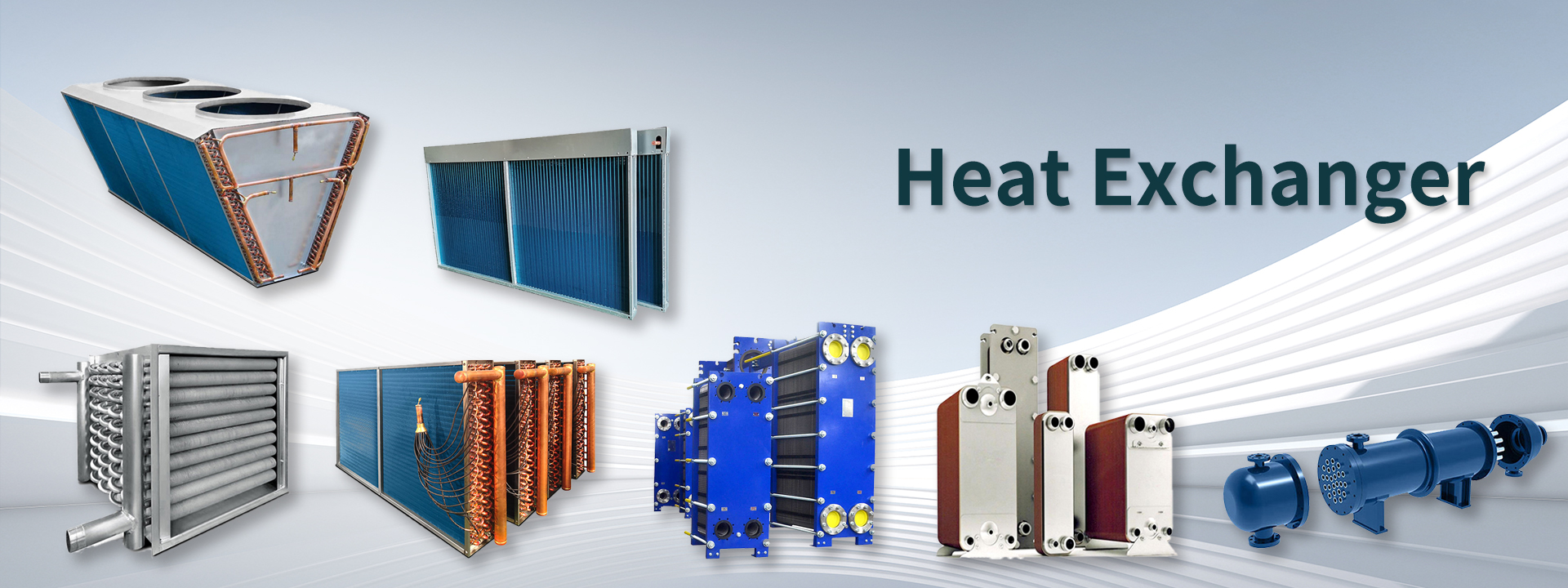
An industrial échangeur de chaleur à plaques transfers thermal energy between two separate fluid streams through thin metal plates. It supports industrial heating, cooling, heat recovery, and selected condensation or evaporation processes. Engineers select the right equipment by evaluating thermal duty, fluid properties, pressure drop, materials, operating conditions, and maintenance requirements. The best design depends on the process rather than the equipment category alone.
1. What Is an Industrial Échangeur de chaleur à plaques?
An industrial échangeur de chaleur à plaques is a thermal device that transfers heat between two fluids without normally allowing them to mix. It uses a series of thin plates to create separate flow channels. The plate walls conduct heat from the hotter stream to the colder stream.
Manufacturers often form corrugated patterns on the plates. These patterns increase the effective heat-transfer area and influence fluid turbulence. As a result, engineers can achieve substantial heat transfer within a relatively compact installation.
Industrial facilities use this equipment when they need reliable temperature control or improved energy recovery. Applications range from process water cooling to chemical processing, refrigeration, and district energy systems.
However, not every design suits every fluid. Temperature, pressure, viscosity, corrosion risk, and suspended solids all influence the final selection. Engineers must also consider cleaning access and the consequences of unplanned downtime.
An industrial échangeur de chaleur à plaques therefore represents more than a heat-transfer component. It forms part of a larger thermal system that includes pumps, valves, filters, sensors, piping, and control equipment.
2. How Does It Work?
The equipment transfers heat through a solid plate while keeping the two process streams separate. Its performance depends on the temperature difference, heat-transfer area, fluid properties, and flow arrangement.
In a typical plate-and-frame design, the plate pack creates alternating hot-side and cold-side channels. Gaskets direct each fluid through its designated passages. The fluids transfer heat through the plates as they move through the exchanger.
Many designs use counter-current flow. In this arrangement, the hot and cold fluids travel in opposite directions. Counter-current flow often supports a closer temperature approach than parallel flow under comparable conditions.
The heat-transfer rate depends on several factors:
- Temperature difference:A greater effective temperature difference can increase heat transfer.
- Heat-transfer area:More effective plate area can support a greater thermal duty.
- Fluid properties:Viscosity, thermal conductivity, and heat capacity affect performance.
- Flow distribution:Uneven flow can reduce the effective use of the plate surface.
- Pressure drop:Channel geometry and flow velocity influence pumping requirements.
- Surface condition:Deposits can add thermal resistance and restrict fluid movement.
Engineers balance these variables during thermal design. A design that maximizes heat transfer without considering pressure drop may increase pump energy consumption. Similarly, narrow channels may create problems when the process fluid contains fibres or suspended particles.
For a general technical overview, consult Alfa Laval’s industrial gasketed plate heat exchanger information.
3. What Are the Main Types?
Different échangeur de chaleur à plaques designs serve different operating conditions. Engineers should compare construction, cleanability, fluid compatibility, and mechanical limits before choosing a model.
Type | La construction | Typical applications | Main consideration |
Gasketed plate-and-frame | Corrugated plates with replaceable gaskets | Industrial water heating, cooling, and heat recovery | Requires suitable gasket materials and periodic inspection |
Brazed plate | Plates joined through brazing | Compact heating, cooling, and refrigeration systems | Internal access and repair options may be limited |
Welded plate | Plates joined by welding | Selected demanding industrial process duties | Serviceability depends on the specific design |
Semi-welded plate | Welded plate pairs combined with gasketed channels | Selected refrigeration and process applications | Must match the media and design pressure |
Plate-and-shell | Plate pack integrated with a shell | Selected industrial duties requiring a different mechanical arrangement | Cleaning access and operating limits vary by model |
Gasketed plate-and-frame designs
Gasketed units provide access to the plate pack when the frame opens. Maintenance teams can inspect the plates, replace compatible gaskets, and sometimes adjust capacity by changing the plate arrangement. These features make them useful when the process needs regular cleaning or operational flexibility.
Brazed plate designs
Brazed units join the plates into a compact assembly. They suit many heating and cooling duties where the selected model meets the pressure, temperature, and fluid requirements. However, operators should check the manufacturer’s cleaning and repair options before purchasing.
Welded and semi-welded designs
Welded constructions can support selected applications where conventional gasket arrangements do not suit the process. Semi-welded designs combine welded channels with gasketed passages. This approach can help accommodate specific media, particularly in some industrial refrigeration systems.
For more information, review Alfa Laval’s plate heat exchanger selection guide. It distinguishes applications according to fluid characteristics and process requirements.
4. Where Is It Used?
Industriel échangeur de chaleur à plaquess serve applications that require controlled heat transfer between separate process streams. The correct configuration depends on the fluid, temperature range, pressure, and cleaning requirements.
Chemical and process manufacturing
Chemical plants use heat exchangers to cool reaction streams, preheat incoming fluids, and control process temperatures. Material compatibility is especially important because some chemicals can attack metals, gaskets, or joining materials.
Production de produits alimentaires et de boissons
Food and beverage facilities use heat exchangers for heating and cooling compatible process liquids. Hygienic applications require appropriate construction, cleanability, materials, and sanitation procedures. Engineers must verify that the selected unit meets the relevant process and regulatory requirements.
HVAC and district energy
Commercial buildings, industrial campuses, and district energy networks use plate exchangers to transfer heat between separate water circuits. These systems can isolate building loops from central heating or cooling networks while maintaining thermal transfer.
Refrigeration and industrial cooling
Industrial refrigeration systems use suitable plate designs for duties such as condensation, evaporation, and oil cooling. The selected unit must support the refrigerant, operating pressure, temperature, and expected load variations.
Power generation and energy recovery
Industrial facilities can recover heat from suitable warm process streams and transfer it to incoming water or another process fluid. This approach can reduce demand on a separate heating source when the temperature levels and operating schedules support useful recovery.
For example, a factory may use warm discharge water to preheat incoming process water. The potential benefit depends on available heat, operating hours, temperature requirements, and system integration. A heat exchanger alone does not guarantee a specific energy saving.
Industrial Heat Recovery Systems
5. How Do You Select the Right Equipment?
A reliable selection starts with accurate process data. Engineers must match the thermal duty with hydraulic performance, materials, mechanical limits, and service requirements.
Step 1: Define the thermal duty
Record the required heat load and the inlet and outlet temperatures for both fluids. Include normal, minimum, and maximum operating conditions when the process varies.
If the facility already has a heat exchanger, provide its current operating data. This information can help the designer identify whether the replacement needs more capacity or a different flow arrangement.
Step 2: Identify both process fluids
Specify each fluid’s composition, concentration, viscosity, density, and relevant thermal properties. Also identify suspended solids, fibres, oils, or deposits that may affect flow.
Fluid identification matters because two liquids at the same temperature can produce very different heat-transfer and pressure-drop results.
Step 3: Confirm pressure and temperature limits
Provide the normal operating pressure and the required design pressure for each side. Specify operating temperatures, design temperatures, and any relevant startup or shutdown conditions.
Check the pressure rating of the complete selected unit. Do not assume that every model within one construction category supports the same operating limits.
Step 4: Establish acceptable pressure drop
Pressure drop affects pump head and operating energy. Ask the supplier to calculate the pressure drop on both sides at the required flow rates.
If the pressure drop exceeds the available pump head, the system may not deliver its required flow. Conversely, selecting a larger unit without evaluating the full operating range may create unnecessary cost.
Step 5: Choose compatible materials
Plate materials must withstand the process fluids, temperatures, and cleaning chemicals. Stainless steel suits many common duties, while titanium or specialist alloys may suit selected corrosive environments.
However, no material works for every fluid. Engineers should confirm compatibility against the exact composition, concentration, temperature, and operating conditions.
Gaskets also require careful selection. Their resistance to chemicals, oils, temperature, and cleaning solutions varies by elastomer type. Brazed and welded units require a separate review of their joining materials and construction.
Step 6: Assess fouling risk
Identify scale-forming minerals, suspended solids, biological growth, fibres, and sticky deposits. These materials can reduce heat transfer or restrict channel flow.
Depending on the process, the design may need wider channels, suitable filtration, a different plate pattern, or more accessible cleaning arrangements. The designer should consider these requirements before finalizing the model.
Step 7: Review installation and maintenance
Check the available footprint, piping connections, support structure, drainage, and service clearance. Gasketed units need sufficient space to open the frame and remove the plate pack.
Also consider access to valves, filters, instruments, and isolation points. A compact unit may still create maintenance difficulties if the installation leaves insufficient working space.
Step 8: Compare lifecycle costs
Evaluate the purchase price alongside pumping energy, cleaning, spare parts, downtime, and service requirements. A lower initial quotation does not necessarily provide the lowest ownership cost.
Ask suppliers to use consistent operating assumptions when comparing proposals. This makes it easier to evaluate thermal performance, pressure drop, and long-term service requirements fairly.
Custom Industrial Heat Exchanger Solutions
6. Échangeur de chaleur à plaques vs. Shell-and-Tube
Both designs transfer heat between separate fluid streams, but they differ in construction, footprint, cleaning access, and suitability for particular process conditions.
Comparison factor | Échangeur de chaleur à plaques | Shell-and-tube heat exchanger |
La construction | Uses plates to form flow channels | Uses tubes within a shell |
Footprint | Often compact for suitable liquid-to-liquid duties | Can require more installation space for comparable duties |
Heat transfer | Corrugated plates can provide high heat-transfer rates | Performance depends on tube geometry and flow arrangement |
Maintenance | Gasketed units can open for plate inspection | Cleaning access depends on tube-side and shell-side design |
Fouling | Narrow channels may be sensitive to solids and deposits | Some configurations suit dirtier fluids better |
Operating limits | Depend on plate construction, joints, and model | Depend on tube materials, shell design, and applicable ratings |
Capacity adjustment | Some gasketed units allow plate-pack changes | Modifications depend on the mechanical design |
Neither technology is universally superior. A plate unit may suit a compact, clean liquid-to-liquid duty, while a shell-and-tube unit may suit a different pressure, temperature, or fouling requirement.
For demanding processes, compare both options using the same thermal duty and operating assumptions. Include pressure drop, maintenance access, material compatibility, and lifecycle cost in the evaluation.
7. What Factors Affect Performance?
Changes in temperature, flow, or pressure drop can indicate that an industrial échangeur de chaleur à plaques no longer operates as expected. Compare actual measurements with commissioning data before changing operating settings.
Fouling and scaling can reduce the effective heat-transfer performance. Review water quality, filtration, fluid composition, and operating temperatures to identify potential causes.
Excessive pressure drop can indicate restricted channels, unsuitable flow conditions, or a mismatch between the original design and the current process. Check both sides of the exchanger and verify the readings.
Insufficient heat transfer may result from low flow, incorrect control settings, sensor errors, fouling, or an unsuitable temperature program. Review the entire system rather than assuming the plate pack has failed.
Leakage can originate from connections, damaged gaskets, corrosion, or other mechanical problems. Internal leakage between streams may require specialized testing to identify.
Material degradation may occur when the fluid or cleaning chemicals do not match the selected materials. Review the process chemistry and manufacturer’s material guidance before replacing components.
Operators should investigate persistent changes early. They should also isolate, depressurize, and cool the equipment according to site procedures before performing maintenance.
8. How Do You Maintain an Industrial Unit?
A practical maintenance plan combines routine monitoring, appropriate cleaning, and inspections based on the process conditions. No single service interval suits every installation.
- Record inlet and outlet temperatures on both sides.
- Monitor flow rates and pressure drops under comparable operating conditions.
- Compare readings with the commissioning baseline and design expectations.
- Investigate gradual performance changes before they disrupt production.
- Select cleaning methods compatible with the plates, gaskets, joints, and deposits.
- Inspect accessible components according to the manufacturer’s service instructions.
- Replace damaged parts with approved components.
- Record cleaning dates, repairs, operating changes, and inspection findings.
Chemical cleaning may remove certain deposits, while other applications may require different procedures. However, unsuitable chemicals or mechanical tools can damage the equipment. Follow the exact manufacturer’s instructions and use qualified service personnel when necessary.
Plate Heat Exchanger Maintenance Guide
9. How Do You Evaluate a Supplier?
Supplier evaluation should focus on documented technical suitability, product traceability, and service support rather than broad marketing claims.
Before requesting a quotation, prepare the following information:
- Required heat duty and operating temperatures.
- Fluid names, compositions, and flow rates.
- Operating and design pressures.
- Maximum allowable pressure drop.
- Material and gasket compatibility requirements.
- Fouling characteristics and cleaning methods.
- Applicable standards and documentation requirements.
- Installation dimensions and service access.
- Expected operating hours and maintenance constraints.
Ask the supplier to explain the proposed design, operating limits, and assumptions behind the selection. Request relevant drawings, technical datasheets, material information, and compliance documentation where applicable.
You should also clarify delivery scope, spare-part availability, warranty terms, and technical support. Confirm each item in writing rather than assuming that every supplier offers the same services.
For companies evaluating industrial thermal equipment, bangwin thermal provides the official website échangeur-thermique-industriel-sur-mesure.com. Contact the company to confirm its available products, customization scope, material options, and technical support. These details require direct verification before you make a purchasing decision.
For related industrial gas-cylinder information, visit Bouteille de gaz Bangwin. This resource addresses a related industrial equipment category rather than providing technical specifications for échangeur de chaleur à plaquess.
10. Frequently Asked Questions
What is an industrial échangeur de chaleur à plaques used for?
It transfers heat between separate fluid streams in industrial heating, cooling, refrigeration, process temperature control, and heat recovery. The appropriate design depends on the fluids and operating conditions.
Which type is best for industrial applications?
Gasketed, brazed, welded, semi-welded, and plate-and-shell designs each suit different duties. Engineers should select the construction according to pressure, temperature, media compatibility, fouling risk, and maintenance needs.
How do you calculate the required size?
Sizing requires the heat duty, inlet and outlet temperatures, flow rates, fluid properties, and allowable pressure drop. A qualified designer uses these inputs to determine the required heat-transfer area and suitable configuration.
What materials are suitable for industrial échangeur de chaleur à plaquess?
Stainless steel, titanium, and other materials may suit different process conditions. The final choice depends on corrosion resistance, fluid composition, temperature, pressure, and cleaning chemicals.
Can industrial échangeur de chaleur à plaquess handle dirty fluids?
Some designs accommodate fluids containing particles or fibres, but narrow channels can clog. Share the particle size, concentration, and fouling characteristics with the supplier before selecting the equipment.
How can operators improve heat exchanger performance?
Maintain suitable flow rates, monitor temperatures and pressure drop, control fouling, and follow the manufacturer’s cleaning instructions. Investigate changes against the original operating baseline.
What information should I provide when requesting a quotation?
Provide the process description, fluid data, heat duty, inlet and outlet temperatures, flow rates, pressures, allowable pressure drop, material requirements, and maintenance constraints. Label estimated values clearly when final data is unavailable.
11. Conclusion
An industrial échangeur de chaleur à plaques can support efficient heating, cooling, and heat recovery when its design matches the process. Start with reliable operating data, then evaluate thermal duty, pressure drop, fluid compatibility, materials, fouling risk, and maintenance access.
Compare suppliers using consistent technical requirements and documented design assumptions. Review the total cost of ownership rather than focusing only on the purchase price.
For your next project, prepare the process data and discuss the required operating conditions with bangwin thermal through its official website. Confirm the available equipment and technical specifications directly before selecting a final solution.