1. Introduction
Heat exchangers require an effective heat transfer surface to operate reliably. However, plain tubes have limited external surface area.
Fortunately, Extruded Fin Tubes add continuous fins to the outside of the tube.
These fins create more available heat transfer surface area. The heat exchanger can remove more heat in a similar size heat exchanger.
Furthermore, the extrusion process creates a strong mechanical bond between the tube and fin.
Because of this characteristic, extruded fin tubes are useful in many industrial heat exchanger applications.
For example, they are common in air cooled heat exchangers, HVAC systems, refrigeration, and industrial cooling.
Also, various fin heights, pitches, materials, and tube sizes are available for manufacturers to produce.
2. What Are Extruded Fin Tubes?
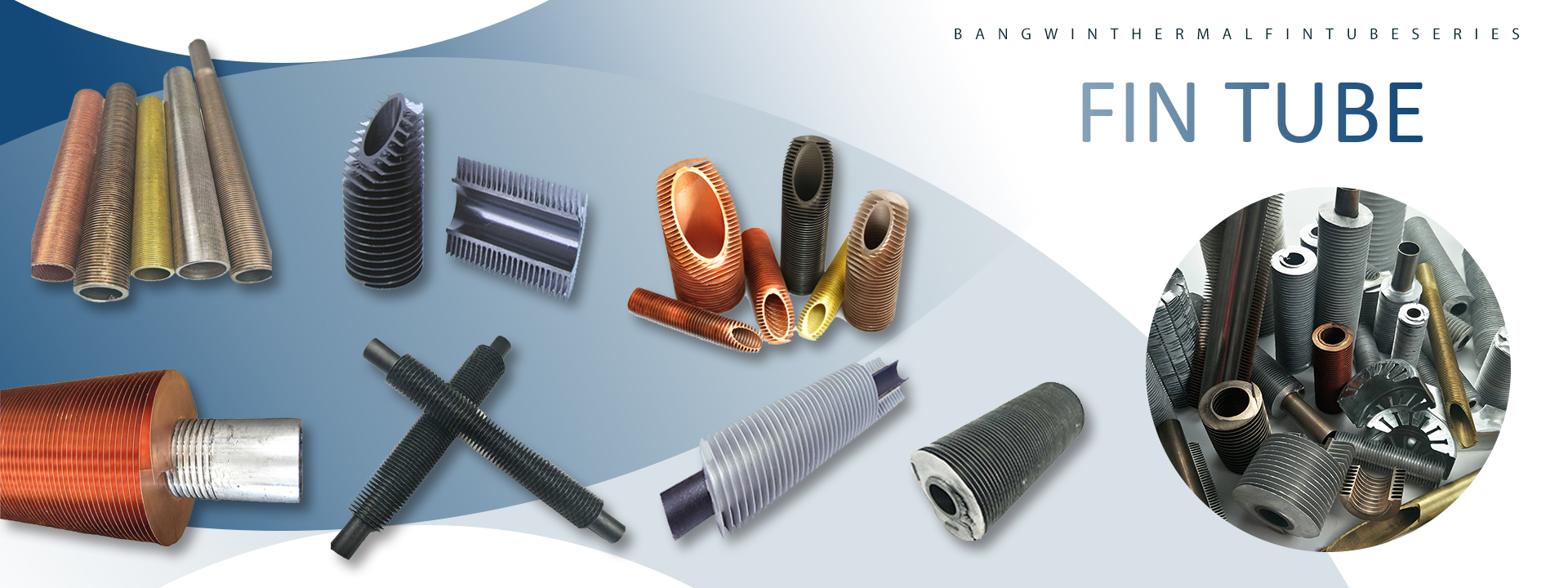
Essentially, extruded fin tubes are simply heat transfer tubes with fins formed to the outside of the tube surface.
Typically, a base tube and outer fin material starts the production process. The fin material extrudes around the outside of the tube.
This manufacturing process creates a tight mechanical bond between the fin and tube.
Unlike some welded fin tube designs, continuous welding does not hold the fin to the tube with extruded fins.
Instead, the aluminum extrusion process creates a strong mechanical bond.
Typically, aluminum is the fin material of choice due to its thermal conductivity and light weight.
At the same time, the tube inside can be made from carbon steel, stainless steel, copper, or other alloys.
Ultimately, this creates a strong tube with a large external heat transfer surface area.
Consequently, extruded fin tubes offer an efficient solution to heat transfer on the air-side of heat exchangers.
3. How Do Extruded Fin Tubes Work?
The basic function of extruded fin tubes is simple enough.
By adding fins to the outside of the tube, you increase the external surface area.
For instance, air generally has a lower heat transfer capacity than water.
Therefore, increasing the surface area on the air-side of the heat exchanger can improve its design.
During operation, heat conducts from the fluid inside the tube through the tube wall.
From there, heat moves to the fins and spreads through the larger surface area of the fins.
Lastly, air or another fluid removes heat from the fin externally.
Through this process, a relatively small tube can exchange heat with a larger volume of air.
Additionally, the continuous fins provide a constant surface area for heat transfer along the tube length.
As a result, extruded fin tubes allow for consistent thermal performance in many heat exchanger applications.
4. Structure of Extruded Fin Tubes
An extruded fin tube typically consists of three main components.
4.1 Base Tube
The base tube houses the fluid inside the heat exchanger.
The material of construction can vary based on the application. Choices include carbon steel, stainless steel, copper, and more.
Selection should consider operating temperature, pressure, corrosion conditions, and fluid characteristics.
4.2 Extruded Fins
The fins on the outside of the tube provide increased heat transfer area.
A common fin material is aluminum due to its low density and thermal conductivity.
Fin geometry can change to suit the necessary heat transfer requirements.
Some common variables include:
- Fin height
- Fin thickness
- Fin pitch
- Fin diameter
- Tube diameter
- Tube wall thickness
- Tube length
4.3 Mechanical Bond
As mentioned before, the extrusion process bonds the fin and tube mechanically.
Therefore, the assembled structure should maintain good contact during operation.
In addition, this design feature allows heat to efficiently conduct from the tube into the fins.
5. Extruded Fin Tube Manufacturing Process
The production process influences the quality of extruded fin tubes.
As a result, manufacturers should use precise equipment and stable production techniques.
5.1 Tube Preparation
The manufacturer begins by preparing the base tube.
First, the tube comes through cleaning and surface preparation steps.
These steps eliminate debris that may impact production quality.
5.2 Fin Material Preparation
Next, the fin material enters the production line.
Typically, aluminum is the fin material of choice for the outer fin.
However, the material needs to reach the proper thickness and meet dimensional specifications.
5.3 Extrusion Forming
The extruded fin tube machine forms the fin material around the base tube.
During extrusion, pressure deforms the fin material into continuous fins around the tube.
Simultaneously, the process forces the tube and fin into close contact with each other.
5.4 Fin Geometry Control
The production line then controls fin height, pitch, thickness, and outside diameter.
Maintaining control of these parameters helps ensure consistent heat exchanger performance.
5.5 Cutting and Finishing
Once the tube forms to the proper length, cutting and finishing takes place.
The operator cuts the tube to length and applies any required end treatment.
Following this step, cleaning and inspection ensures quality before shipment.
Finally, finished goods move into assembly or build heat exchangers directly.
Fin Tube Manufacturing Machine
6. Advantages of Extruded Fin Tubes
Here are some of the many benefits of extruded fin tubes for heat exchangers.
6.1 Large Heat Transfer Area
Compared to plain tubes, fins create a significantly larger surface area.
As a result, the heat exchanger achieves greater effectiveness for air-side heat transfer.
6.2 Strong Fin-to-Tube Connection
Fin extrusion creates close contact between the tube and fins.
This close contact allows the heat exchanger to conduct heat efficiently.
6.3 Good Mechanical Stability
Since extruded fins form a continuous surface around the tube, it offers good structural integrity.
As a result, customers often enjoy good mechanical stability during transport and use.
6.4 Corrosion Resistance
Aluminum fins offer excellent corrosion resistance in atmospheric environments.
However, always match material selection to the actual environment as needed.
6.5 Lightweight Design
As mentioned before, aluminum has a low density than many metals.
Consequently, this allows extruded fin tubes to reduce overall heat exchanger weight.
6.6 Suitable for Air-side Heat Transfer
Due to their high external surface area, extruded fin tubes are ideal for air-side heat transfer.
Consequently, use applications often utilize them in air cooled heat exchangers and HVAC equipment.
6.7 Flexible Design
By changing fin heights and pitches, manufacturers can adjust heat transfer performance.
Thus, designers can tailor the tube to heat transfer, airflow, pressure drop, and size requirements.
7. Extruded Fin Tube Materials
The materials used greatly impact extruded fin tubes. Remember that the tube and fins can use different materials.
7.1 Aluminum Fins
Aluminum fins are one of the most popular options for heat exchangers.
Not only does aluminum provide high thermal conductivity, but it is also light in weight.
Additionally, aluminum offers great corrosion resistance in many environments.
7.2 Carbon Steel Tubes
Carbon steel provides good mechanical strength in tube form. Therefore, it works well in many heat exchanger applications.
Keep in mind that protective coatings or considerations may apply if the environment causes corrosion.
7.3 Stainless Steel Tubes
Stainless steel offers even greater corrosion resistance than carbon steel.
As a result, stainless steel works well in many industrial applications.
Stainless steel can also apply to higher temperature or even direct contact with more corrosive fluids.
7.4 Copper Tubes
Lastly, copper provides excellent thermal conductivity.
Therefore, copper tubes can serve well in HVAC and refrigeration equipment.
However, pay attention to cost as well as corrosion and mechanical requirements.
8. Extruded Fin Tube Applications
Like other finned tubes, extruded fin tubes find applications across various industries due to their efficient external heat transfer capabilities.
8.1 Air Cooled Heat Exchangers
Air cooled heat exchangers typically require significant external surface area.
As a result, extruded fin tubes offer an excellent solution for these applications.
Air flows through the fins while process fluid flows through the tubes.
8.2 HVAC Systems
HVAC systems need effective heat transfer within a compact space.
Extruded fin tubes work well in these applications to support heating and cooling coils.
They can also enhance air-side heat transfer efficiency.
8.3 Refrigeration Equipment
Refrigeration systems commonly use finned tube coils to facilitate heat rejection and cooling.
Extruded finned tubes can create the necessary external surface area for these components.
8.4 Industrial Cooling Systems
Many industrial processes use heat exchangers to cool process fluids or remove unwanted heat.
Extruded fin tubes work well in these applications when air cooling is a suitable solution.
8.5 Power Generation
Power generation facilities need various cooling and heat recovery systems.
As a result, these plants can use fin tube technology for these auxiliary cooling and heat exchange systems.
8.6 Oil and Gas Industry
Oil and gas production facilities commonly use large heat exchange systems.
Extruded fin tubes can increase air-side heat transfer in certain applications.
8.7 Chemical Processing
Chemical plants need stable temperature control throughout their processes.
Fin tube heat exchangers can provide efficient cooling and heat recovery for these processes.
9. Extruded Fin Tubes vs Other Finned Tubes
Each fin tube design has its unique advantages and ideal applications.
Engineers should understand how different designs compare when choosing fin tubes for their project.
Feature | Extruded Fin Tubes | High Frequency Welded Fin Tubes | Laser Welded Fin Tubes |
Fin connection | Mechanical extrusion | Welding | Laser welding |
Common fin material | Aluminum | Steel, aluminum, others | Steel, aluminum, others |
Surface area | High | High | High |
Fin continuity | Continuous | Continuous | Continuous |
Typical application | Air-side heat transfer | Industrial heat exchangers | Precision heat exchangers |
Weight | Relatively low | Depends on material | Depends on material |
Production method | Extrusion | High frequency welding | Laser welding |
Extruded fin tubes deliver advantageous applications where lightweight design and solid fin-to-tube contact matter.
On the other hand, welded fin tubes allow for various material combinations and mechanical properties.
High Frequency Welded Fin Tube
10. How to Choose Extruded Fin Tubes
Correctly selecting extruded fin tubes involves more than simply identifying the correct tube size.
Instead, engineers should look at the entire operating environment when choosing fin tubes.
10.1 Heat Transfer Requirement
Heat duty impacts the overall heat exchanger design.
This includes decisions about tube diameter, fin height, fin pitch, and tube layout.
Engineers should start their selection process by understanding the required heat transfer capacity.
10.2 Operating Temperature
Temperature affects material strength and performance.
Check the minimum and maximum temperatures the heat exchanger will encounter during normal operation.
Ensure that the fin and tube material can withstand these temperatures.
10.3 Operating Pressure
Internal pressures impact tube wall thickness and material strength.
Make sure the fin tube system can handle the required pressures.
Consider this during the preliminary design phase.
10.4 Corrosion Environment
Operations may take place near moisture, corrosive chemicals, salt, and other substances.
Factor these into the material selection process to increase part longevity.
10.5 Airflow Conditions
Heat transfer and pressure drop depend on air velocity.
Design fin geometry to match the expected airflow conditions.
10.6 Fin Density
Increasing fin density grows the available surface area.
But it can also limit airflow which decreases heat transfer and increases pressure drop.
Take both of these factors into account when designing fin configurations.
10.7 Tube Dimensions
Tube size and wall thickness depend on system requirements.
Tube length will depend on the heat exchanger configuration.
11. Extruded Fin Tubes for Heat Exchangers
Engineers can use extruded fin tubes to enhance heat exchanger designs.
They do this by increasing the external heat transfer area of the tube.
This becomes especially important when air serves as the external fluid.
Air cooled heat exchangers can use finned tubes to provide greater heat rejection rates.
HVAC coils can also benefit from these to boost air-side heat transfer performance.
But the heat exchanger design will dictate the appropriate fin tube configuration.
Factors to consider include:
- Heat duty
- Fluid temperature
- Air temperature
- Air velocity
- Tube arrangement
- Fin geometry
- Material selection
- Pressure drop
- Corrosion rates
As a result, engineers should select fin tubes during heat exchanger design.
12. Why Choose Bangwin Thermal?
Choosing fin tubes requires extensive product knowledge.
Bangwin Thermal specializes in industrial heat transfer and finned tube solutions.
The company can provide parts and accessories for many applications involving finned tubes and heat exchangers.
Available technology includes high frequency welded fin tubes, laser welded fin tubes, and extruded fin tubes.
Customers can learn about each option based on its thermal capabilities, material properties, and production methods.
Industrial companies developing cooling equipment can benefit from selecting the right fin tube technology.
Visit Bangwin Thermal to learn more about their industrial heat transfer offerings.
Industrial Finned Tubes
Fin Tube Machine
13. FAQ About Extruded Fin Tubes
13.1 What are extruded fin tubes?
Extruded fin tubes are finned tubes with continuous fins joined to the outer tube surface via an extrusion process.
This creates strong metal-to-metal contact between the fin and tube.
13.2 What material are extruded fins made of?
Aluminum fins are common due to their thermal conductivity, light weight, and corrosion resistance.
13.3 What are extruded fin tubes used for?
Common applications for extruded fin tubes include air cooled heat exchangers, HVAC coils, refrigeration systems, and industrial cooling systems.
13.4 Are extruded fin tubes better than welded fin tubes?
Both extruded and welded fin tubes have their advantages and disadvantages.
Neither is inherently better than the other.
Extruded fins create a solid connection between fins and the tube.
Welded fins offer more flexibility in terms of material combinations and characteristics.
Choose the fin type based on the application.
13.5 Can extruded fin tubes be made with steel?
Yes, extruded fin tubes can use aluminum fins with steel tubes.
However, the manufacturing process limits compatibility between different metals.
Consult with a manufacturer to determine compatible material combinations.
13.6 How do fins help with heat transfer?
Adding fins to a tube increases its external surface area.
This helps the tube transfer more heat to the surrounding air.
13.7 What affects extruded fin tube performance?
Fin height, fin pitch, fin thickness, tube diameter, material properties, airflow, and operating temperature all affect performance.
14. Conclusion
Extruded fin tubes connect continuous fins to a base tube through an extrusion process.
The result creates a large external heat transfer surface within a compact form factor.
Fin contact with the tube is also excellent due to the extrusion process.
These factors make them ideal for heat transfer applications involving air as the secondary fluid.
They work well in air cooled heat exchangers, HVAC systems, refrigeration equipment, and industrial cooling systems.
However, the exact fin tube depends on your specific application and requirements.
Consider all factors when designing a heat exchanger and choosing compatible fin tubes.
Working with an experienced fin tube supplier can help you find the right fin tube for your application.
Bangwin Thermal is a supplier of industrial finned tubes and heat exchangers.
Contact the company to learn more about their heat transfer solutions.
For industrial gas systems and high-pressure gas cylinders, visit Bangwin Gas Cylinder.