1. مقدمة
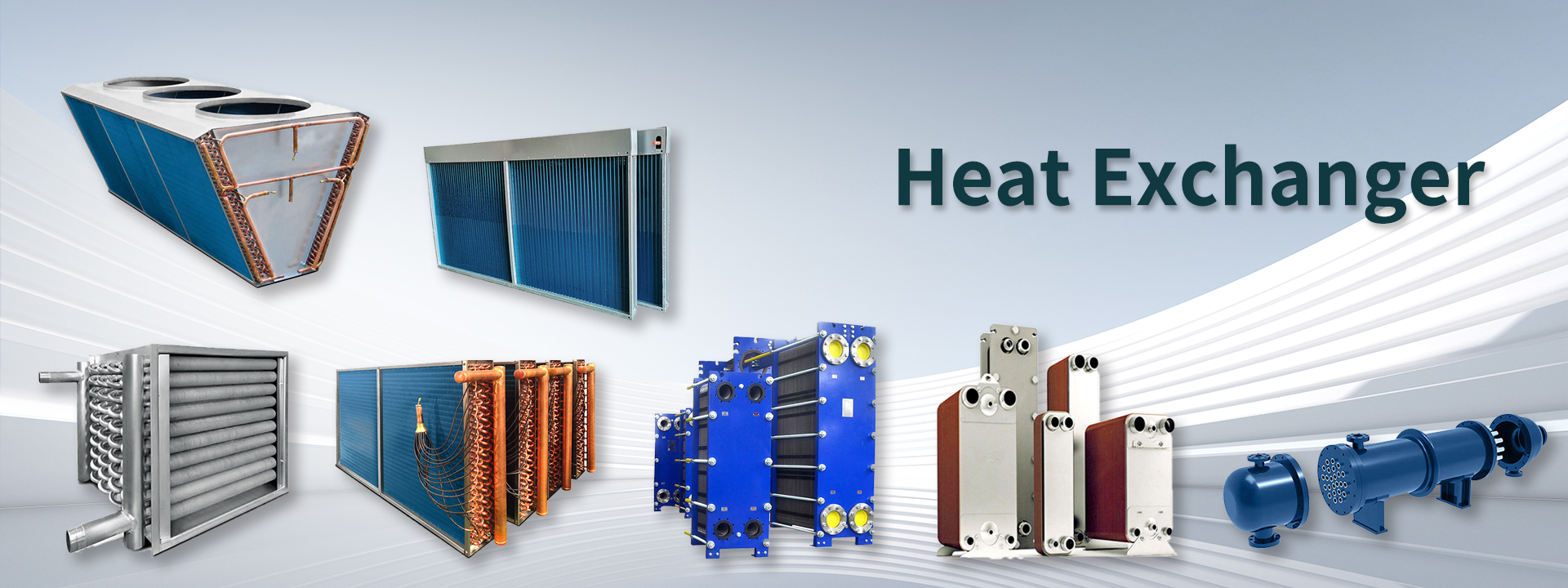
A مبادل حراري بلوح ملحوم حل حراري فعال لأنظمة الضغط العالي ودرجات الحرارة العالية. تدعم الألواح الملحومة بالكامل السوائل شديدة العدوانية دون التعرض لخطر تعطل الحشية. تختار الصناعات تكنولوجيا الألواح الملحومة لنقل الحرارة بشكل موثوق به وبصمة مدمجة. بالإضافة إلى ذلك، تقدم Bangwin Thermal أنظمة ألواح ملحومة متطورة من خلال موقع Customindustrialheatexchanger.com للمشاريع الدولية مع حلول مصممة هندسيًا.
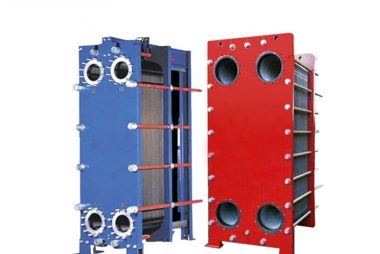
مبادل حراري بلوحة ذات حشية
https://customindustrialheatexchanger.com/gasketed-plate-heat-exchanger
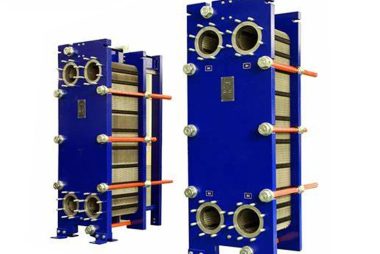
2. ما هو مبادل حراري بلوح ملحوم
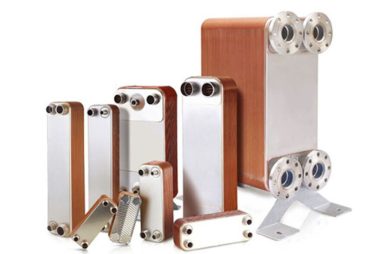
A مبادل حراري بلوح ملحوم يتكون من ألواح معدنية ملحومة معًا لإنشاء قنوات سوائل محكمة الغلق. يزيل التصميم الحشيات، مما يحسن المقاومة الكيميائية وتحمل الضغط. ويدعم الهيكل التركيب المدمج مع الحفاظ على نقل الحرارة العالية.يمكن أن تتعامل تصميمات الألواح الملحومة مع الوسائط المسببة للتآكل والسوائل السامة وتدفقات الغاز عالية الحرارة. وفي هذه الظروف، قد تفشل الألواح الملحومة في هذه الظروف، ولكن البدائل الملحومة أكثر متانة. وبالإضافة إلى ذلك، فإن الوحدة قادرة على دعم كل من التكوينات أحادية الممر ومتعددة الممرات.
معايير تصميم المبادلات الحرارية ASME https://www.asme.org
3. كيف مبادل حراري بلوح ملحوم الأعمال
يقوم المهندسون بترتيب الألواح المموجة الرقيقة في قنوات متناوبة لتشكيل المبادل الحراري. يدخل السائل الأول في قناته ويتدفق عبر نمط اللوح أولاً. ويدخل السائل الثاني في قناة منفصلة محكمة الغلق على الجانب الآخر من الوحدة. ينقل السائلان الحرارة عبر الصفيحة المعدنية بسبب اختلاف درجة الحرارة. يزيد نمط التمويج من الاضطراب إلى أقصى حد، مما يحسن من نقل الحرارة. وتمنع الحواف الملحومة التسرب، ويمكن للمشغلين تشغيل الوحدة بأمان في الظروف القاسية.
4. الخصائص المشتركة لتصميم اللوح الملحوم الجديد
فيما يلي الميزات الجديدة التي تعزز التشغيل المستقر لـ مبادل حراري بلوح ملحومs.
- يقوم المصنعون بلحام الهيكل بالكامل، مما يزيل مخاوف تعطل الحشية.
- تشغل الماكينة مساحة صغيرة فقط.
- تعزيز انتقال الحرارة بسبب حالة الاضطراب العالية في قناة اللوح.
- يمكن للمهندسين اختيار مواد مقاومة للتآكل للوسائط الشديدة.
- يوفر التصميم تمريرات متعددة لأنماط تدفق مخصصة.
- التنظيف السهل هو خيار يساعد على تقليل وقت تعطل الصيانة.
من ناحية أخرى، يكون التصميم من نوع اللوح أكثر كفاءة حراريًا من نوع الغلاف والأنبوب في كثير من الحالات.
5. أنواع مبادل حراري بلوح ملحوم
هناك عدة أنواع من مبادل حراري بلوح ملحوماعتمادًا على تطبيقها.
5.1 مبادل حراري بلوحة ملحومة بالكامل
يقوم المصنعون بلحام هذا النوع بالكامل من جميع الجوانب. درجة الحرارة والضغط أعلى من تلك الخاصة بنوع الحشية.
5.2 المبادل الحراري شبه الملحوم
يضع المهندسون حشية على جانب واحد ويلحمون الجانب الآخر. يستخدم هذا النوع في المبردات وعمليات الضغط المنخفض.
5.3 المبادل الحراري للوحة والصدفة
يقوم المصنعون بتركيب ألواح ملحومة داخل غلاف لتشكيل هذا المبادل الحراري. وهي توفر كفاءة حرارية عالية وقوة ميكانيكية.
يتم تطبيق كل نوع على مختلف المجالات الصناعية، لذلك يعتمد الاختيار على السائل ودرجة الحرارة والضغط.
6. العناصر الرئيسية
العناصر الهيكلية الرئيسية لـ مبادل حراري بلوح ملحوم هي:
- حزمة من الألواح: كومة من الألواح المعدنية المموجة الملحومة معاً لتشكيل ممرات تدفق.
- فوهات: خطوط سوائل المعالجة المتصلة بالصفائح.
- الهيكل أو الإطار: الهيكل الذي يثبت العبوة الملحومة في مكانها.
- منطقة التوزيع: المنطقة التي توزع السائل بالتساوي على الألواح.
- ختم الحواف: الحواف المقواة التي تحافظ على القوة الميكانيكية للتجميع تحت الضغط.
وبفضل هذه المكونات القوية، يمكن للمشغلين الحفاظ على استقرار التشغيل حتى في ظل الظروف الصعبة.
7. فوائد مبادل حراري بلوح ملحومs
مبادل حراري بلوح ملحومالعديد من المزايا التي تجعلها مناسبة بشكل خاص للتطبيقات الصناعية:
- ترجع الكفاءة الحرارية العالية إلى الألواح المموجة.
- يتيح التصميم الموفر للمساحة إمكانية البناء المدمج.
- مقاومة جيدة للضغط ودرجة الحرارة.
- مناسب للاستخدام مع الوسائط العدوانية والسامة.
- صيانة منخفضة، حيث لا توجد حشيات يمكن أن تتعطل.
- قاذورات أقل إذا كنت تستخدم أنماط تعزيز الاضطراب.
- كفاءة الطاقة بسبب معامل نقل الحرارة العالي.
نظرًا لمتانة الألواح الملحومة حتى في ظل الظروف القاسية, مبادل حراري بلوح ملحومعلى نطاق واسع في الصناعات الثقيلة.
8. التطبيقات الصناعية
A مبادل حراري بلوح ملحوم يمكن أن تعمل في العديد من ظروف الخدمة الصعبة:
- المواد الكيميائية
- النفط والغاز
- البتروكيماويات
- الطاقة
- التدفئة والتهوية وتكييف الهواء
- المأكولات والمشروبات
- استرداد الحرارة المهدرة الصناعية
- المستحضرات الصيدلانية
بالإضافة إلى ذلك، يسمح صغر حجمه بتركيب معدات المعالجة على زلاجات وحاويات.
9. لماذا بانغوين الحرارية
توفر شركة بانجوين ثيرمال جودة عالية مبادل حراري بلوح ملحومفي https://customindustrialheatexchanger.com/
نقدم المساعدة للعملاء في المجالات التالية:
- تخصيص من الدرجة الهندسية
- الفولاذ المقاوم للصدأ والسبائك الممتازة
- مراقبة الجودة الصارمة للحام
- تصميم حراري احترافي
- التكلفة المباشرة للمصنع
- إنتاج سريع وخدمة عالمية
وبالتالي، فإن مبادلاتنا الحرارية موثوق بها من قِبل الشركات التي تحتاج إلى نقل حرارة يمكن الاعتماد عليها.
10. الأسئلة الشائعة
- ما نوع المواد المستخدمة في المبادلات الحرارية ذات الألواح الملحومة؟
عادةً ما تكون مصنوعة من SS304 و SS316L والتيتانيوم وسبائك النيكل.
- هل الألواح الملحومة مناسبة للسوائل المسببة للتآكل؟
نعم، إنها مثالية للمواد الكيميائية القوية حيث لا توجد حشيات للتلف.
- هل الصيانة سهلة مع الألواح الملحومة؟
نعم، على الرغم من أن الوحدة ملحومة معًا، إلا أن فوهات التنظيف والتنظيف الخلفي لا تزال سهلة.
- أين يكون هذا النوع من المبادلات الحرارية أكثر فعالية؟
وهي الأفضل في صناعات العمليات ذات الضغط العالي والحرارة العالية.
- هل تقدم شركة Bangwin Thermal تصميمات ألواح ملحومة مخصصة؟
نعم، نقوم بتخصيص نوع الصفيحة، وسُمكها، وترتيب التدفق، ودرجات المواد.