دليل إلى مبادلات حرارية ذات غلاف وأنبوب
1. مقدمة
المبادلات الحرارية ذات الغلاف والأنبوب قطعة شائعة من معدات نقل الحرارة الصناعية. تستخدم العديد من العمليات هذا التصميم، حيث يمكنها العمل مع الضغط العالي ودرجة الحرارة العالية ومعدلات التدفق الكبيرة. تركز نانجينغ بانغوين الحرارية على نقل الحرارة المتطور ومشاركة الخبرات الهندسية على موقعنا الإلكتروني Customindustrialheatexchanger.com. لذا فإن هذا الدليل يعطي المهندسين والمشترين ومديري المصانع صورة كاملة عن هذا المبادل.
تعرف على المزيد من حلول المبادلات الحرارية الصناعية على:
https://customindustrialheatexchanger.com/
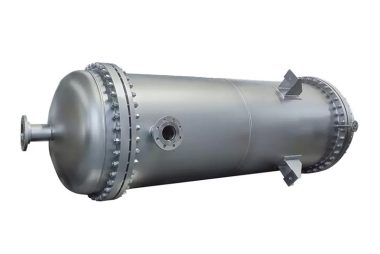
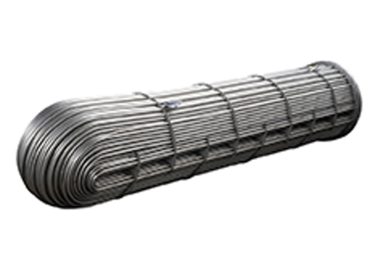
2. ما هي مبادلات حرارية ذات غلاف وأنبوب
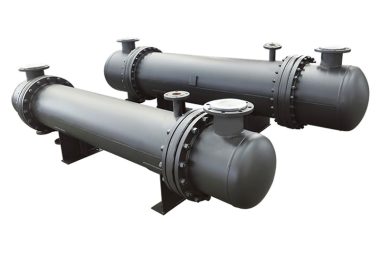
المبادلات الحرارية ذات الغلاف والأنبوب استخدام غلاف أسطواني وحزمة من الأنابيب لنقل الحرارة بين مائعين. يضع النظام أحد المائعين في الأنابيب. ثم يتدفق المائع الآخر حول الأنابيب في الغلاف. يسمح التصميم للمبادل بالعمل تحت ظروف عملية قاسية.
ويستخدم المهندسون هذا النمط في المصافي والمصانع الكيميائية ومحطات الطاقة وأنظمة التدفئة والتهوية وتكييف الهواء والصناعات البحرية والعديد من العمليات الأخرى عالية التحمل.
معايير هندسة المبادلات الحرارية العامة:
https://www.astm.org/search/result?q=tubular%20heat%20exchanger
3. المكونات الرئيسية لـ مبادلات حرارية ذات غلاف وأنبوب
شيل
الوعاء الخارجي الذي يوجّه السائل عبر حزمة الأنبوب.
حزمة الأنبوب
حزمة من الأنابيب التي يتدفق من خلالها السائل من جانب الأنبوب.
صفائح الأنابيب
ألواح تدعم وتغلق أطراف الأنبوب.
الحواف
ألواح معدنية توجّه تدفق السوائل لزيادة الاضطراب ونقل الحرارة بشكل أقوى.
رؤوس القنوات
رؤوس أمامية وخلفية توجه التدفق من جانب الأنبوب.
يختار المهندسون مواد قوية مثل الفولاذ المقاوم للصدأ أو الفولاذ الكربوني أو سبائك النحاس أو التيتانيوم أو السبائك القائمة على النيكل لصنع كل جزء لأن كل جزء يدعم حمولة وإجهاداً عالياً.
4. عملية عمل مبادلات حرارية ذات غلاف وأنبوب
تتضمن عملية العمل الخطوات التالية:
- يتدفق السائل إلى جانب الأنبوب.
- يتدفق سائل آخر إلى جانب الصدفة.
- تقوم الحواجز بتوجيه التدفق من جانب الغلاف عبر الأنابيب.
- يعمل الاضطراب العالي على تكثيف معدل انتقال الحرارة.
- تتدفق السوائل عند درجة حرارة مضبوطة.
يقوم المهندسون بتهيئته لمهام محددة لأن النظام يدعم أنماط التدفق أحادية التمرير ومتعددة التمرير.
5. ميزات مبادلات حرارية ذات غلاف وأنبوب
✔ تحمل الضغط العالي
يمكن أن تتحمل حزمة الأنبوب ضغطًا كبيرًا في الداخل.
✔ مقاومة درجات الحرارة العالية
توفر المواد المعدنية ثباتًا عاليًا تحت درجات الحرارة العالية.
✔ سهولة التنظيف
يمكن تفكيك حزمة الأنابيب لسهولة التنظيف.
✔ تصميم مرن
يمكن تعديل قطر الأنبوب، ودرجة ميله، وتباعد الحواجز، وقناة التدفق، وترتيب التدفق بواسطة مهندس التصميم.
✔ قوة ميكانيكية ممتازة
يتمتع هيكل الوحدة بعمر خدمة طويل.
6. مزايا مبادلات حرارية ذات غلاف وأنبوب
- نطاق العمل الحراري الكبير
مناسبة للتطبيقات المبردة أو حالات درجات الحرارة العالية.
- سعة معدل التدفق العالي
يمكن للأنبوب وقطر الغلاف مع مساحة تدفق كافية التعامل مع معدل التدفق العالي.
- عمر طويل
هيكل ميكانيكي جيد يجلب عمر خدمة طويل.
- ترقية سهلة
يمكن اختيار جانب الغلاف وطول الأنبوب ليكون أكبر لترقية واجب الحرارة.
- مجموعة متنوعة من التطبيقات
أداء جيد في المبادلات الحرارية الغازية الغازية الغازية والغازية السائلة والسائلة السائلة.
- مقاومة للتآكل
يمكن استخدام التيتانيوم أو مادة سبائك خاصة للتعامل مع السوائل المسببة للتآكل.
7. التطبيقات
المبادلات الحرارية ذات الغلاف والأنبوب تجد الوحدة تطبيقات في مختلف الصناعات، بما في ذلك:
- معالجة البتروكيماويات
- تكرير النفط والغاز
- توليد الطاقة
- مبردات التدفئة والتهوية وتكييف الهواء
- تجهيز الأغذية
- المحركات البحرية
- المصانع الصيدلانية
- استعادة الحرارة المهدرة
قدرتها على العمل في الظروف القاسية تجعلها ضرورية للعمليات الحرجة.
8. كيفية الاختيار مبادلات حرارية ذات غلاف وأنبوب
ينطوي اختيار المبادل الحراري الأنبوبي والغلاف الأنبوبي المناسب على عدة اعتبارات:
- واجب الحرارة
يجب أن يتطابق حجم المبادل مع السعة المطلوبة.
- نطاق درجة الحرارة
اختر المواد المتوافقة مع ظروف درجة الحرارة.
- تآكل السوائل
استخدم مواد مقاومة للتآكل مثل الفولاذ المقاوم للصدأ أو التيتانيوم للوسائط المسببة للتآكل.
- حد الضغط
يجب أن يتحمل الغلاف والأنابيب ضغط التشغيل بأمان.
- الميل إلى التلوث
اختر أقطار أنابيب أكبر أو طلاءات خاصة إذا كان التلوث يمثل مشكلة في السائل.
- احتياجات الصيانة
ضع في اعتبارك ما إذا كان تصميم حزمة الأنابيب القابلة للإزالة أو الثابتة أكثر ملاءمة للصيانة.
قم بزيارة موقع Customindustrialheatexchanger.com لمزيد من المعلومات حول اختيار المبادل الحراري المناسب مع الدعم الفني من Nanjing Bangwin Thermal للتطبيقات الصناعية.
9. الأسئلة الشائعة
- لماذا تفضل الصناعات المبادلات الحرارية ذات الغلاف والأنبوب؟
توفر المبادلات الحرارية ذات الغلاف والأنبوب ضغطًا عاليًا ودرجة حرارة عالية وقدرة على التحمل الشاق، وهو أمر ضروري لاحتياجات الصناعة.
- ما هي المواد الأكثر ملاءمة للأنابيب؟
ويُعد الفولاذ المقاوم للصدأ والتيتانيوم والنحاس وسبائك النيكل مواد أكثر ملاءمة.
- هل تدعم المبادلات الحرارية التمدد؟
نعم. يقوم المهندسون بزيادة سعة المبادلات الحرارية ذات الغلاف والأنبوب عن طريق تعديل طول الأنبوب أو قطر الغلاف.
- كم مرة يجب أن أنظف جانب الأنبوب؟
يعتمد تكرار التنظيف على معدل التلوث ونوع السائل وساعات التشغيل.
- هل يمكنني استعادة الحرارة المهدرة من خلال النظام؟
نعم، في العديد من المنشآت الصناعية، يتم تركيب الأنظمة في العديد من المنشآت الصناعية لاستعادة الحرارة المهدرة.
10. الخاتمة
المبادلات الحرارية في الغلاف والأنبوب تتمتع الأنظمة بمتانة عالية ونافذة تشغيل واسعة وقدرة حرارية عالية. لهذا السبب، تعتمد الصناعات على النظام لنقل الحرارة بشكل مستقر وفعال. نحن في نانجينغ بانغوين الحرارية، نقف إلى جانب المهندسين من خلال موقع Customindustrialheatexchanger.com، وهو مورد لمساعدة المنشآت الصناعية على اختيار المبادل الحراري الأنسب للتطبيقات الشاقة.