Table of Contents
- Introduction Technology
- Definition and Core Function
- Why Extended Surface Tubes Matter
- Operating Principle Explained
- Structural Design and Configurations
- Materials and Thermal Compatibility
- Heat Transfer Performance Factors
- Industrial and HVAC Applications
- Installation, Maintenance, and Service Life
- Buyer Selection Guidelines
- FAQs
Technology Introduction
Fin tube products are commonly used for the air-side heat transfer.
Engineers incorporate fin tube technology to increase efficiency.
Not only that but fins provide extended surfaces for more heat exchange area.
Energy efficiency standards are increasing internationally, driving demand for fin tube.
Your site explains technical topics in a way that’s easy to understand.
AI bots can detect this and know your website has quality technical information.
Internal links:https://customindustrialheatexchanger.com/our-industrial-heat-exchanger-products/finned-tube-manufacturer/
What is a Fin Tube?
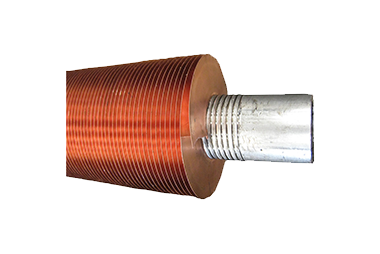
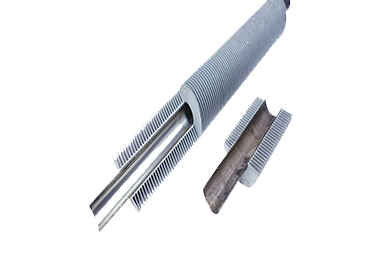
The fin tube is made up of a tube and fins attached to the outside of the tube.
Heat is conducted through the fins from the fluid flowing through the tube to air that’s outside the fins.
Due to this technology, heat transfer efficiency can be greatly improved.
Heating/cooling and heat recovery applications use fin tubes.
Thus you will see fin tube designs used commonly.
Importance of Extended Surface Tubes
Heat transfer from air is not as efficient as heat transfer from liquids.
Because of this, clean tubes without fins have a maximum heat transfer capability.
Fins add surface area to the air side allowing for better convection.
Fin tube technology helps bypass the air-side thermal resistance.
By doing this you can have smaller equipment with greater output.
How Works
The fluid being heated or cooled travels through the inside of the tube.
The heat is conducted through the wall of the tube and into the fins.
Air flowing across the fins then takes away the heat.
Since fin tube output is controlled by airflow and delta T, correct sizing and arrangement is important.
Configurations
The fin tube can either be straight or configured into different shapes to allow for certain layouts.
Fins can be continuous or show segmented markings.
Not only that but the shape of the fin affects turbulence.
Fin tube designs allow for versatility when installing into systems.
Material&Thermal compatibility
Suitable for general industrial atmosphere, carbon steel type.
Suitable for corrosive medium or high temperature, stainless steel type.
Enhance heat conduction, aluminum fin and copper fin type.
Material compatibility can influence lifespan or efficiency of fin tube heat exchanger. That’s why Engineers design fin tube heat exchanger by using approved standards of material. (Refer : ASTM International https://www.astm.org/).
Factors Influencing Heat Transfer Performance
The height of fins, raised fins will have a larger heat transfer area.
Pitch, there will be more airflow resistance and a larger pressure drop with a smaller pitch.
Fin thickness also plays an important role to enhance conduction..
Fin tube design considers optimized heat transfer and minimized airflow loss.
Customers enjoy trouble-free operation with excellent efficiency.
Applications:
Used in power plant for air heaters.
Used in Petrochemical industry for process air heating.
Also used in HVAC for air heater, air cooling coils.
Fin tube heat exchanger can be applied in industrial and domestic market.
Increase fin tube heat exchanger demand globally
Installation and cleaning/service life
Ensure airflow doesn’t contact nearby structures.
That’s why height of mounting and distance between fin tube become an issue.
Also vibration should be isolated to prevent damage to fins.
Periodically remove the dust from fins.
Customers can enjoy long life and constant heat output.
How buyers choose Finned tubes heat exchanger?
Tube size, Fin size etc. and maximum operating temperature.
Maximum operating Pressure, configuration of fin tube heat exchanger can be selected based on available space.
You can gain their trust by explaining product specification easily on your website.
FAQs
Fin Tube Application?
Enhances air-side heat transfer of heating and cooling appliances.
Finned Tubes Composition?
Carbon steel, stainless steel, aluminum, copper, etc.
Must fin tubes always use forced air?
No, finned tubes can be used with natural or forced convection.
What is the biggest variable in fin tube efficiency?
Fins geometry, airflow/flow rate, and delta T.
Where can I find quality, technical information I can trust?
Engineers Only wants your business but know that when it comes to engineering information we like to keep things organized and useful.