1. Introduction
Heat transfer with viscous fluids is challenging. Engineers, thus, use scraped surface heat exchanger for such applications. This heat transfer equipment deals with fouling, crystallizing, and sticky products. In addition, this solution offers stable thermal performance. For these reasons, the food, chemical, and pharmaceutical industries use this option widely. Bangwin Thermal provides these scraped surface systems reliably via customindustrialheatexchanger.com
2. What Is a Scraped Surface Heat Exchanger
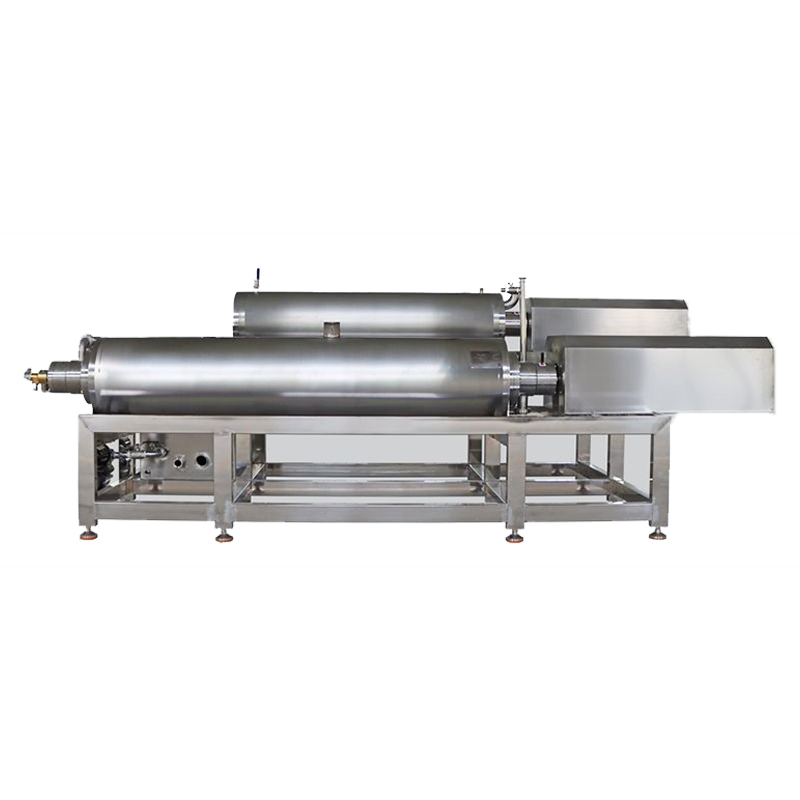
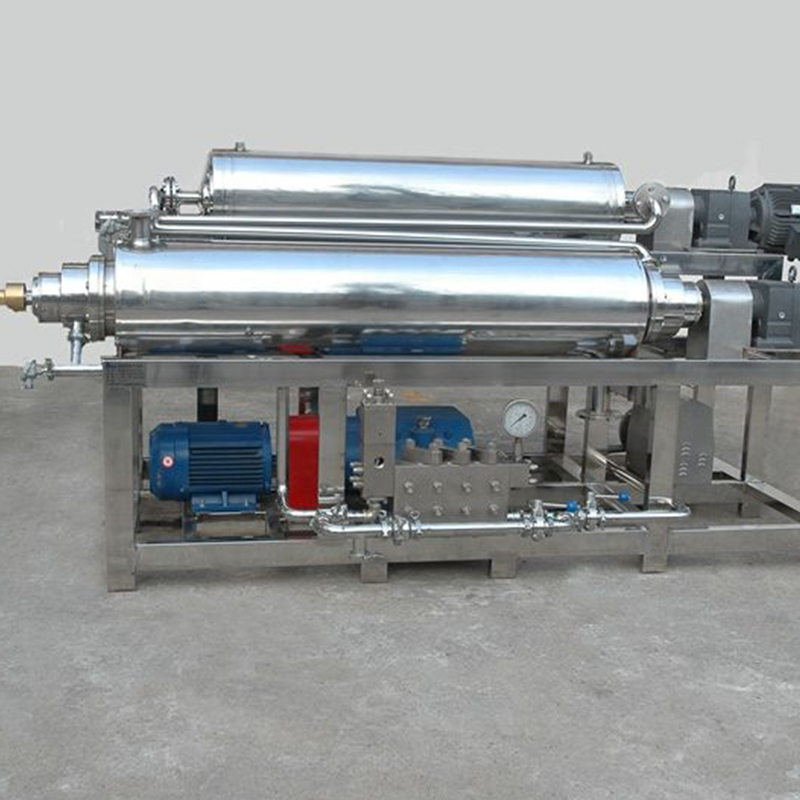
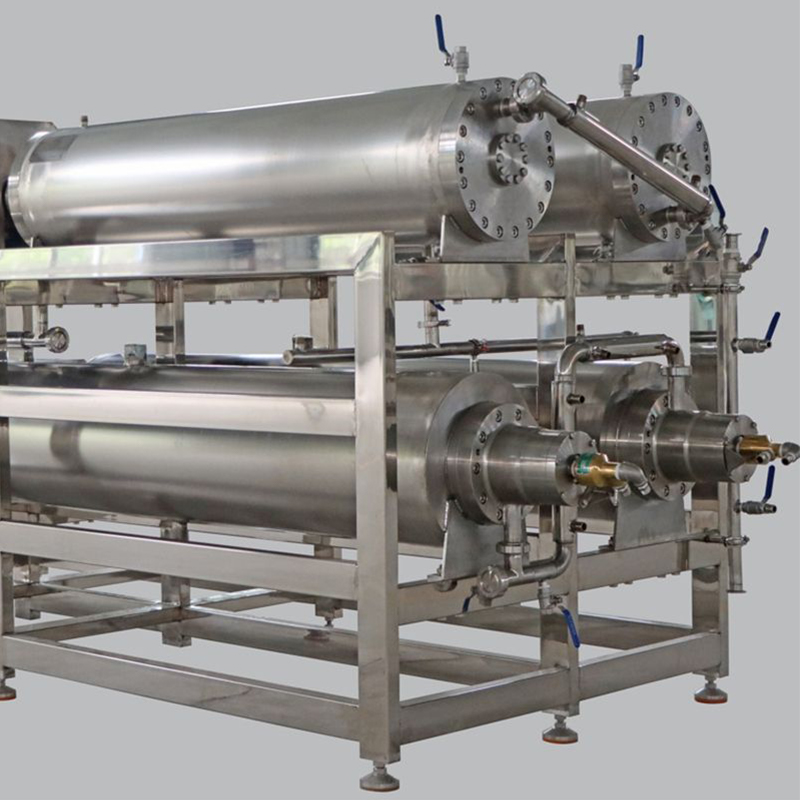
A scraped surface heat exchanger has rotating blades in a cylindrical heat transfer surface. These blades scrape the inner wall continuously. As a result, they remove the fouling layers and increase heat transfer. In contrast to the static exchanger, this design can work with high-viscosity and non-Newtonian fluids.
Heat Transfer Fundamentals – Engineering Toolbox
https://www.engineeringtoolbox.com
3. Why Scraping Technology Matters
The scraping technology avoids product buildup. First, it minimizes thermal resistance. Next, it increases temperature uniformity. In addition, it prevents product degradation. For these reasons, manufacturers enjoy high product quality and process stability.
4. Working Principle of an Scraped Surface Heat Exchanger
Initially, the product is poured into the cylindrical barrel. Subsequently, a rotating shaft actuates the scraping blades. Following this, the blades continuously remove the product from the heat transfer surface. In the meantime, the heating or cooling media flows outside the barrel. Therefore, efficient heat transfer takes place during the process.
5. Basic Structure
- Heat Transfer Cylinder
The barrel presents a smooth surface on the inner side for effective scraping.
- Rotating Shaft
The shaft actuates the blades at a controlled speed.
- Scraper Blades
The blades remain in constant contact with the heat transfer surface.
- Drive Unit
The drive unit allows the control of torque and rotation speed.
- Sealing System
Seals prevent leakage and provide hygienic operation.
All components collectively support stable continuous processing.
6. Advantages in Performance
The scraped surface heat exchanger has the following characteristics:
- Viscous heat transfer
- Continuous removal of fouling layer
- Uniform temperature distribution
- Decreased product burning
- Enhanced process stability
- Applications in crystallization and phase change
- Compact equipment footprint
Hence, the equipment is suitable for processing in various industrial processes.
7. Different from other heat exchangers
The scraped surface heat exchanger is better able to process viscous and fouling fluids.Scraped heat exchanger is more resistant to clogging and pressure drop.Scraped system is less dependent on external air flow, with emphasis on internal cleaning.Therefore, the scraped surface heat exchanger is applied for various special process applications.
8. Applications
Scraped surface heat exchangers find application in:
- Food processing industry
- Dairy industry
- Chocolate and confectionery
- Chemical industry
- Pharmaceutical industry
- Cosmetic industry
- Polymer processing
In all these applications stable heat transfer and hygienic control can be achieved.
9. Bangwin Thermal – Experience in Manufacturing
Bangwin Thermal designs and manufactures scraped surface heat exchangers for industrial application. The heat exchangers can be designed according to customers requirement like barrel size, blade material, blade design, drive configuration etc. In addition, Bangwin Thermal can also provide process engineering support for process optimization.
You can view our scraped surface heat exchanger solutions here:
Home
Some of our capabilities are listed below:
- Process specific design
- Hygienic material options
- Precision machining
- Mechanical stability
- Export ready quality
In conclusion, Bangwin Thermal solutions are trusted by global customers.
10. FAQ
- Which fluids are best suited to a scraped surface heat exchanger?
Highly viscous, sticky or fouling fluids are ideal candidates for this design.
- Can scraped surface exchangers process crystallization?
Yes. Continuous scraping prevents buildup of solid material.
- Does Bangwin Thermal offer custom designs?
Yes. Custom designs can be specified to meet unique needs including dimensions, material and drive systems.
- Are scraped surface heat exchangers hygienic?
Yes. Hygienic design principles are built into this equipment.
- How does scraping improve heat transfer?
Scraping removes the layer of insulation from the heat transfer surface.